Discover how to effectively test your PC components ensuring peak gaming performance and system stability This comprehensive guide covers CPU GPU RAM and storage testing methods essential for every serious gamer Prevent costly hardware failures troubleshoot common issues and optimize your setup for an unparalleled gaming experience Whether you are a seasoned builder or new to PC maintenance understanding component health is key to staying competitive and enjoying your favorite titles without interruption Learn the best tools and practices to keep your rig running flawlessly This month s focus on efficient resource management and budget friendly upgrades makes proper testing more crucial than ever for the average gamer balancing work family and play Get ready to confidently diagnose and fix potential problems boosting your confidence and game time
How can I check my PC component temperatures efficiently
You can efficiently check your PC component temperatures using monitoring software like HWMonitor HWInfo64 or MSI Afterburner These tools provide real-time readings for your CPU GPU and other sensors allowing you to observe temperatures under idle and load conditions This helps identify overheating issues that can cause performance throttling or system instability ensuring your components operate within safe limits
What free tools are available for basic PC component testing
Several excellent free tools are available for basic PC component testing For CPU stress testing Prime95 or Cinebench are solid choices For GPU benchmarking and stability try Unigine Heaven or FurMark For RAM diagnosis Windows Memory Diagnostic or MemTest86 are effective For storage health CrystalDiskInfo is invaluable These tools provide a good starting point for identifying common hardware problems without any cost
Can I test PC components without dedicated hardware
Yes you can test PC components without dedicated hardware by utilizing software-based diagnostic and benchmarking tools These programs simulate heavy workloads or run specific checks to evaluate component stability performance and health For instance Prime95 for CPU MemTest86 for RAM and FurMark for GPU are software solutions that only require your existing PC setup
How often should I perform comprehensive PC component testing
For most gamers performing comprehensive PC component testing every 6 to 12 months is a good practice However if you notice any performance issues frequent crashes or after installing new hardware or major software updates it's wise to run tests immediately Regular checks help catch potential problems early ensuring your system remains stable and performs optimally for your gaming sessions
What are common signs of a failing PC component that testing can confirm
Common signs of a failing PC component include frequent system crashes blue screens of death unexpected shutdowns visual artifacts on screen during gaming unexplained performance drops slow boot or loading times and unusual noises like clicking from storage drives or grinding from fans Component testing can then precisely identify which part is causing these symptoms
Is it safe to stress test my PC components
Yes it is generally safe to stress test your PC components as long as you monitor temperatures closely and ensure adequate cooling Stress tests push components to their limits to check stability and identify weaknesses They won't damage hardware if temperatures remain within safe operating ranges usually below 90 degrees Celsius for CPU and GPU Always stop a test if temperatures climb too high
How do I identify a failing power supply unit PSU through testing
Identifying a failing power supply unit PSU through testing often involves observing voltage stability and system behavior You can use a multimeter to check voltages at the PSU connectors or monitor them with software like HWMonitor A failing PSU might cause random reboots unexpected shutdowns or component underperformance even when other parts seem fine Look for significant voltage fluctuations under load to pinpoint PSU instability
Ever felt that gut punch when your PC stutters, crashes, or just doesn't perform like it should, right in the middle of a crucial raid or a chill co-op session with friends? You're not alone. For many of us balancing work, family, and gaming, our PC is more than just hardware; it's our escape, our social hub, and our competitive arena. When it acts up, it's not just annoying; it's a roadblock to relaxation and fun. Performance optimization and getting value for our hard-earned money are key, especially when every dollar counts for hardware upgrades or in-game purchases.
This is where effective PC component testing comes in. It's not just for tech gurus; it's a vital skill for every gamer. Knowing how to diagnose issues, check new parts, or ensure your aging rig is still up to snuff can save you countless hours of frustration and potentially hundreds of dollars. Recent US gaming stats show that 87 percent of gamers play regularly, often dedicating 10 plus hours a week. For many, that time is precious, so ensuring your setup is reliable is paramount. This guide will walk you through everything you need to know about pc component testing, helping you maintain peak performance, troubleshoot problems like a pro, and make smart upgrade decisions without falling for hype.
You'll learn practical, actionable steps to test your CPU, GPU, RAM, storage, and even your power supply, helping you balance your gaming life with everything else. Let's dive in and make sure your gaming rig is always ready for action.
Why is PC Component Testing Essential for Gamers Today
In 2026, with games becoming more graphically intensive and online multiplayer experiences demanding absolute stability, proper PC component testing is more critical than ever. It's about proactive maintenance, not just reactive fixes. Think of it like a routine check-up for an athlete – you want to identify potential weaknesses before they cause a game-ending injury. This is especially true for the average gamer aged 36, who doesn't have endless time to tinker. Identifying a failing component early can prevent cascading failures, saving you from losing game progress or missing out on limited-time events with your squad.
Testing your components ensures you're getting the performance you paid for. Many gamers unknowingly suffer from underperforming hardware due to minor issues that could be easily detected. It empowers you to troubleshoot confidently, understand what needs upgrading, and make informed decisions, ensuring your PC always delivers the smooth, immersive experience you crave, whether you're exploring the latest open-world title or competing in esports.
When Should You Perform PC Component Testing
You should integrate PC component testing into several key moments in your gaming PC's lifecycle:
- New Builds or Upgrades: Always test new components immediately after installation to ensure they are functioning correctly and are compatible with your existing system. This prevents a headache down the line if you encounter issues.
- Performance Drops: If you notice a sudden dip in frame rates, longer loading times, or general system sluggishness, it's a clear sign that something might be amiss.
- System Crashes or Freezes: Unexplained blue screens, freezes, or reboots are often indicators of hardware instability or failure.
- Overheating Issues: High temperatures can severely impact component lifespan and performance. Testing can help identify which component is overheating and why.
- Before Selling or Buying Used Parts: If you're selling components, testing them provides assurance to the buyer. If you're buying used, always insist on proof of testing or perform it yourself if possible.
- Regular Maintenance: Even without apparent issues, a periodic check-up (e.g., every 6-12 months) can catch developing problems early and ensure continued optimal performance.
What are the Key PC Components to Test and Why
Every major component plays a crucial role in your PC's overall performance. Here's a breakdown of what to test and its importance:
- CPU (Central Processing Unit): This is the brain of your PC, handling all computations. A failing CPU can lead to system instability, crashes, and poor game performance. Testing checks for overheating, core stability, and processing power.
- GPU (Graphics Processing Unit): Your graphics card is paramount for gaming, rendering all the visuals. Issues here cause artifacts, crashes, low frame rates, and visual glitches. Testing evaluates its stability under load, temperature, and VRAM health.
- RAM (Random Access Memory): RAM stores temporary data for quick access. Faulty RAM can cause crashes, corrupted game files, and general system instability. Testing checks for errors in memory cells.
- Storage (SSD/HDD): Your drive stores your operating system, games, and files. A failing drive means slow boot times, long loading screens, data corruption, and potential data loss. Testing verifies read/write speeds and drive health.
- PSU (Power Supply Unit): The PSU delivers power to all components. An unstable or insufficient PSU can cause random shutdowns, component underperformance, and even damage other parts. Testing checks voltage stability and overall power delivery.
How Do You Test Your CPU for Stability and Performance
Testing your CPU involves pushing it to its limits to ensure it remains stable under heavy load, which is typical during intense gaming sessions. Stability testing is crucial, especially after overclocking or if you suspect overheating.
- Stress Testing Tools: Programs like Prime95, Cinebench, and OCCT are excellent for this. Prime95 runs complex calculations, heavily loading your CPU cores. Cinebench measures your CPU's rendering performance, giving you a benchmark score to compare against others. OCCT offers various tests including CPU, GPU, and PSU.
- Monitoring Temperatures: While stress testing, use monitoring software like HWMonitor or Core Temp to keep an eye on your CPU's temperatures. High temperatures (consistently above 85-90 degrees Celsius under load) indicate cooling issues that need addressing.
- Benchmark Comparison: After running a benchmark like Cinebench, compare your score with similar CPU models online. A significantly lower score could point to throttling or other performance issues.
What are the Best Ways to Benchmark and Test Your GPU
Your GPU is often the most expensive component in a gaming PC, and its performance directly dictates your in-game experience. Benchmarking and testing ensure it's performing as expected and remains stable.
- Synthetic Benchmarks: Tools like 3DMark (Time Spy, Fire Strike) and Unigine Heaven/Superposition stress your GPU with demanding graphics scenes. They provide a score that you can compare with other users to gauge your card's relative performance.
- In-Game Benchmarks: Many modern games include built-in benchmarks (e.g., Cyberpunk 2077, Assassin's Creed series). These are excellent for real-world performance metrics as they simulate actual gameplay. Pay attention to average FPS, 1% low, and 0.1% low frame rates for a complete picture.
- GPU Stress Testing: FurMark is a popular, albeit very aggressive, GPU stress test. It can push your GPU to its thermal limits quickly, making it good for identifying cooling problems or instability. Always monitor temperatures closely.
- VRAM Testing: Tools like Video Memory Stress Test (VMST) can help detect errors in your GPU's video RAM, which can manifest as artifacts or crashes in games.
How to Check Your RAM for Errors and Stability
RAM issues can be notoriously tricky to diagnose because they often manifest as intermittent crashes or corrupt data without clear error messages. Effective RAM testing is crucial for system stability.
- Windows Memory Diagnostic: This built-in tool is a good first step. Search for
PC component testing guide gaming performance optimization troubleshooting hardware failures budget friendly upgrades system stability CPU GPU RAM storage diagnostics
35#1 Gallery pc component testing


Pc Component Price 2026 Video Editing Pc Wedding Project Manoj . 6 Best PC Components For Day Trading Computer July 2026 Best PC Components For Day Trading Computer . DDR6 Price Watch Why Electronic Component Shortages Are Impacting 2026 5 . Awesome All In Ones Potent Components The Top Desktops And PC Parts. Mejores Juegos Online 2026 El TOP 10 Que DEBES Jugar Mejor Pc 2026 768x488
#2 Gallery pc component testing


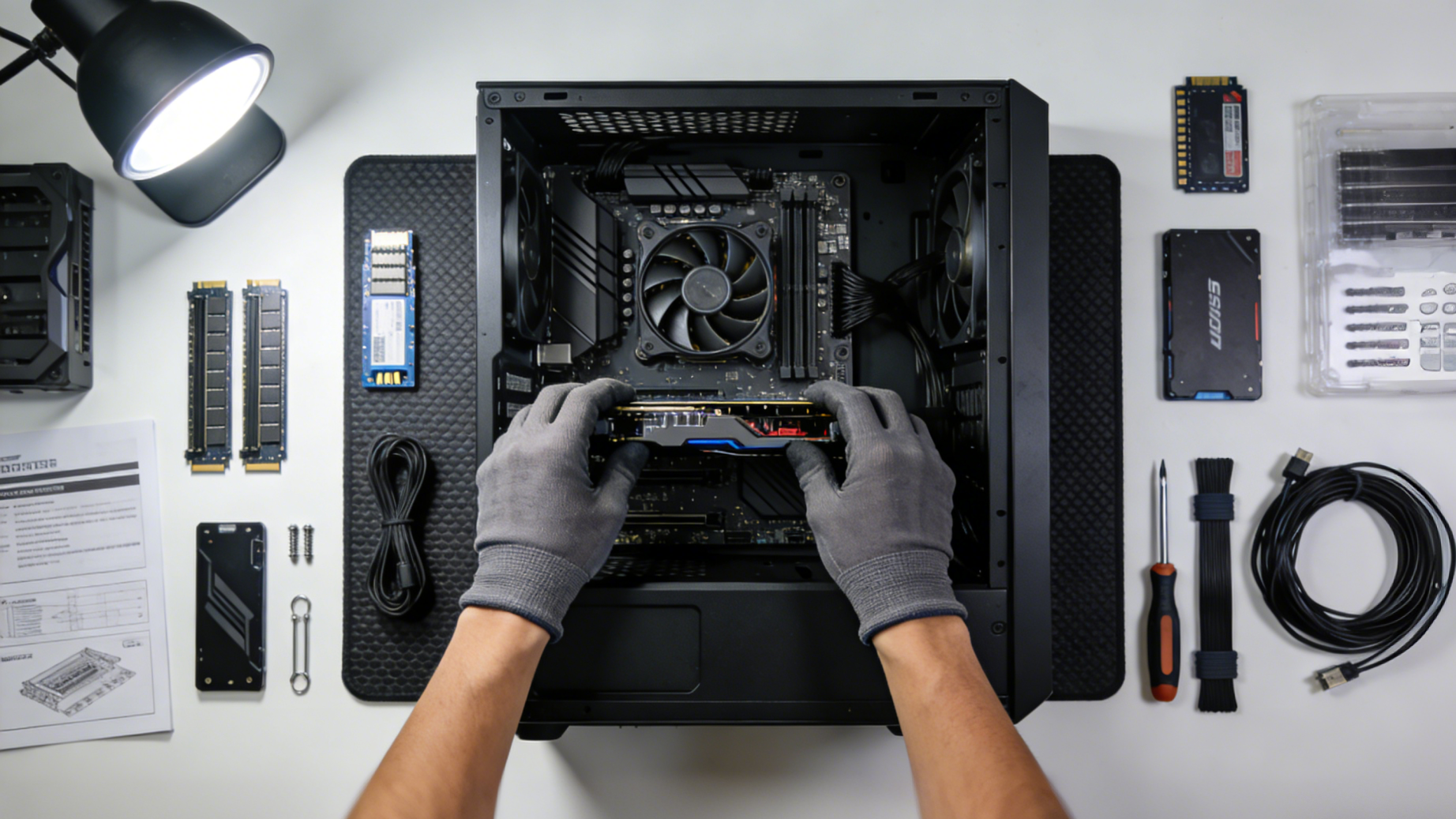
Sustainable Tech The Resale Value Of 2026 PC Components I Have A PC 768x506 . Computer Awareness Mock Test 2026 70 Questions SSC Railway Computer Awareness Mock Test 2026 . Market Insight The Silent Behind The 2026 Computer PC Components 1 1024x570 . Desktop PC Upgrade Guide 2026 Maximize Performance Save Money 3 1 3 . Building Custom PC 2026 Complete Guide Components Steps And Tips Image
#3 Gallery pc component testing

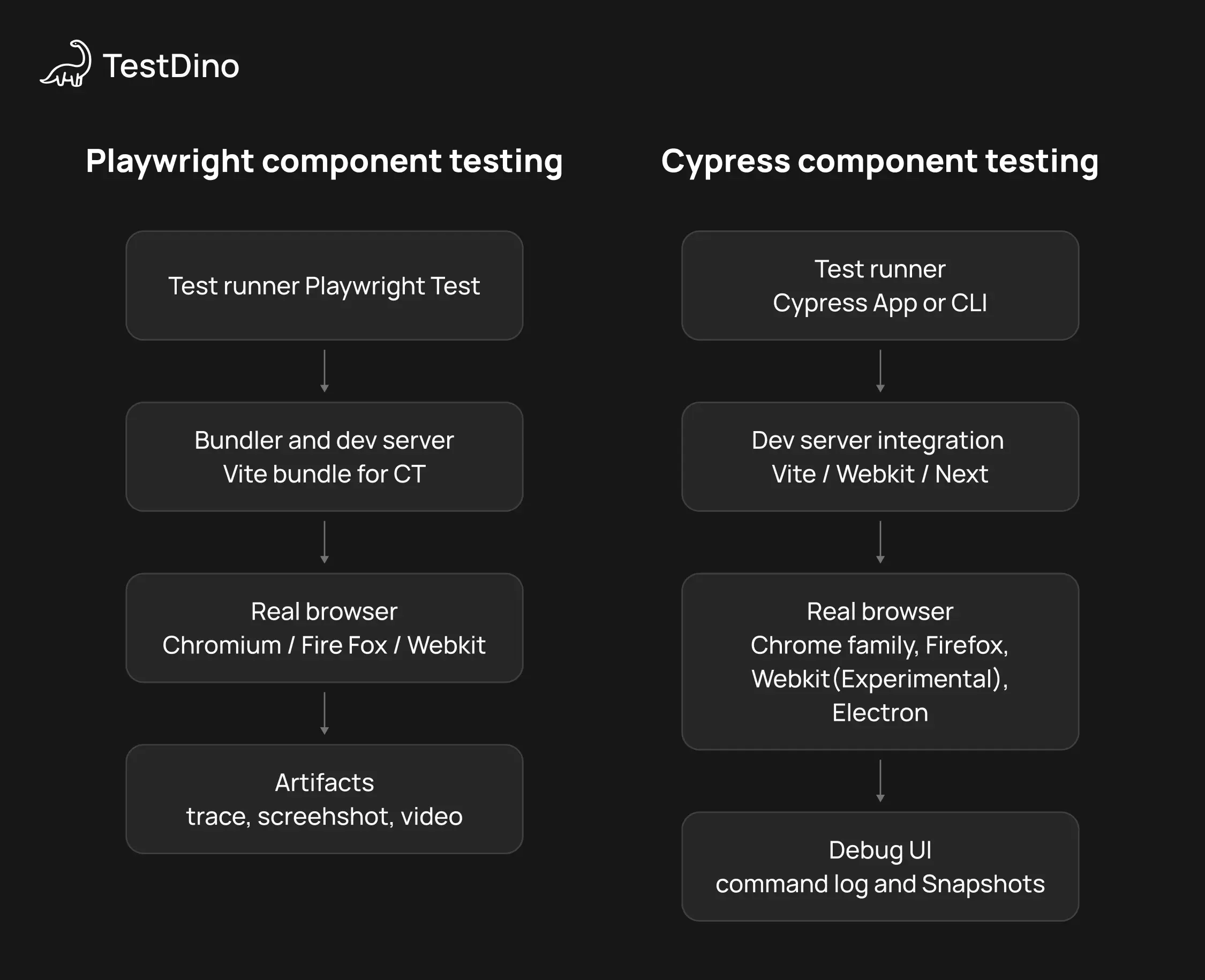

How To Build Test Your Pc Components Before Putting Into The Case . Tech Market Downfall 2026 PC Components Prices . Component Testing Playwright Vs Cypress TestDino Playwright Component. Readers Choice 2026 The Brands Behind The Best PC Builds Readers Choice 2026 The Brands Behind The Best Pc Builds Bvjq.1920 . Component Testing Limitations In Enterprise Automation Featured Image Component
#4 Gallery pc component testing

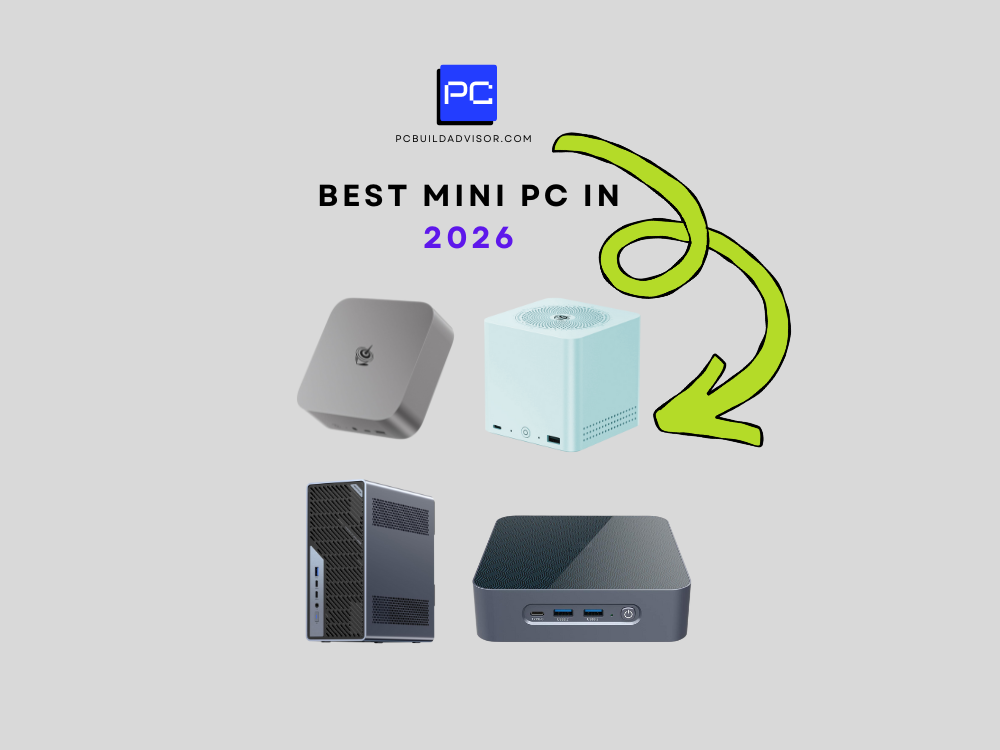

The Best Of Computex 2026 The Future Of The PC Is Looking Especially 1.fit Lim.size . The Best PC Cases Of Computex 2026 These 15 Chassis Are Impossible To The Best Pc Cases Of Computex 2026 These 15 Chassis Are Impo Dxd5.3840 . Best Mini PC In 2026 Ultimate Comparison After Detailed Testing PC Best Mini PC In 2026 1 . What Is Component Testing The Complete Guide Component Testing . Silent PC Build Complete UK Guide 2026 Image
#5 Gallery pc component testing


The Best PC DIY Gear Of Computex 2026 These 10 Thrilling Upgrades Keep The Best Pc Diy Gear Of Computex 2026 These 10 Thrilling Upg Fgeg.3840 . 8 Best Custom Gaming PC Deals July 2026 Top Builds Tested Best Custom Gaming PC Deals . Mastering Testing For PC Games A Guide . Cheap Vs Expensive PC Components Ultimate Guide 2026 Image. Component Testing Component Testing In Software Testing Component Test Strategy 1
#6 Gallery pc component testing
How To Use JPRO Software To Perform Output Component Test For Bendix How To Use JPRO Software To Perform Output Component Test For Bendix 768x426 . RTX 5090 Review 2026 Honest Verdict After Testing The Inspect Aspect Image. WD Black SN8100 Review 2026 Honest Verdict After Testing The Image. RX 9070 XT Pros And Cons Review 2026 Honest Verdict After Testing Cover . Ryzen 9800X3D 6 Month Test Review 2026 Honest Verdict After Testing Image
#7 Gallery pc component testing



No Compres Una Tablet En 2026 Sin Ver Este TOP 10 Portatil Gaming Vs Pc Sobremesa 2026 . PC Guide Testing Lab PC Guide PC Guide CPU Rig 2 1024x576 . Budget PC Build 2026 Complete Guide To Building Cheap Gaming PCs Budget PC Build 2026 Components Laid Out On Desk . How Much RAM Do You Need For Gaming In 2026 Featured 185 Pc Parts Gaming Guide. 8 Latest 4K Televisions Compared July 2026 Expert Reviews Gaming PC Coolers Displayed Side 1