Q&A
- What is the largest oil pipeline in the US?
- The largest oil pipeline system by volume in the US is the Colonial Pipeline. It transports over 3 million barrels of refined products daily from the Gulf Coast to the Eastern Seaboard.
- How many miles of oil pipelines are in the US?
- The United States has over 2.7 million miles of pipelines. This includes approximately 185,000 miles of hazardous liquid and natural gas transmission pipelines, and nearly 2.5 million miles of natural gas distribution pipelines.
- Who regulates oil pipelines in the US?
- The primary federal regulator for oil pipelines in the US is the Pipeline and Hazardous Materials Safety Administration PHMSA under the Department of Transportation. They set safety standards and conduct inspections.
- Are US oil pipelines safe?
- Oil pipelines are among the safest and most efficient methods for transporting petroleum products. Regulated by PHMSA they adhere to stringent safety standards although incidents can still occur necessitating continuous monitoring and upgrades.
- How can I view a detailed US oil pipeline map?
- Detailed US oil pipeline maps are available from sources like the US Energy Information Administration EIA and the National Pipeline Mapping System NPMS. Many energy companies also provide regional maps online.
- What types of products do US oil pipelines carry?
- US oil pipelines transport a variety of products including crude oil gasoline diesel jet fuel heating oil and other refined petroleum products. Natural gas also moves through a separate extensive pipeline network.
- What is the impact of US oil pipelines on the economy?
- US oil pipelines are critical to the national economy facilitating the efficient and cost-effective transport of energy resources to consumers industries and export markets supporting millions of jobs and ensuring energy security.
Navigating the complex network of the US oil pipeline map is crucial for understanding the nation's energy infrastructure and supply chain. This comprehensive guide provides an up-to-date overview of major crude oil and refined product pipelines across the United States for 2026. Discover key routes major hubs and the vital role these pipelines play in delivering energy resources to communities and industries. Our informational content targets Gen Z and Millennials offering clear direct insights into pipeline operations safety regulations and environmental considerations. Whether you are curious about energy logistics seeking career insights or simply want to grasp the scale of US oil transport this resource offers accessible information to demystify the vast pipeline system. Stay informed about the arteries of American energy.
Frequently asked questions
What major oil pipelines operate in the US today?
The US operates several crucial oil pipelines, including the Colonial Pipeline for refined products, the Keystone Pipeline for crude, and the Trans Alaska Pipeline System TAPS. These pipelines are critical arteries transporting millions of barrels daily across vast distances, connecting production areas to refineries and consumption markets.
Where can I find an up-to-date US oil pipeline map online?
You can find comprehensive and updated US oil pipeline maps from official government sources like the U.S. Energy Information Administration EIA and the National Pipeline Mapping System NPMS. These resources offer detailed visual data on crude oil, refined product, and natural gas pipeline networks across the country for public access.
How does the US oil pipeline system impact national energy prices?
The efficiency and reliability of the US oil pipeline system directly influence national energy prices. By safely and cost-effectively transporting crude oil and refined products, pipelines help stabilize supply and reduce transportation costs, which can translate into more predictable fuel prices for consumers nationwide.
What are the primary products transported through US oil pipelines?
US oil pipelines primarily transport crude oil, which is then refined into various products. These refined products include gasoline, diesel fuel, jet fuel, heating oil, and other petrochemical feedstocks. Natural gas is transported through a separate but equally extensive pipeline network.
Are there any new major oil pipeline projects planned for the US in 2026?
While major cross-country oil pipeline projects have faced increased scrutiny, smaller expansion projects and upgrades to existing infrastructure are ongoing. These typically focus on increasing capacity, improving safety, or connecting new production areas to the existing grid. Consult EIA or industry reports for the latest developments.
How do environmental concerns affect US oil pipeline operations?
Environmental concerns significantly influence US oil pipeline operations and development. Regulations focus on spill prevention and response, land impact mitigation, and emission controls. Pipeline operators invest heavily in technology and practices to minimize environmental risks and ensure compliance with stringent federal and state environmental laws.
What role do US oil pipelines play in international energy markets?
US oil pipelines primarily serve domestic energy needs, moving crude from production basins to refineries and then distributing refined products. However, by ensuring a stable domestic supply, they indirectly impact international markets by reducing US reliance on imported oil and supporting its role as a global energy producer and exporter.
Understanding the vast network of the US oil pipeline map is more important than ever. For those curious about how energy travels across the country from Gen Z to Millennials this guide cuts through the noise to deliver essential information on American oil and gas infrastructure.
Frequently Asked Questions
Where are the major US oil pipeline hubs located?
Major hubs include Houston TX, a significant port and refining center, Cushing OK, often called the Pipeline Crossroads of the World for crude oil storage, and Patoka IL, a critical junction for eastern US distribution.
How do Local MAPs help track US oil pipeline routes?
Pull up your preferred mobile Maps app to visualize major pipeline corridors. These maps provide valuable insight into energy infrastructure and flow patterns across the nation helping you understand regional distribution and connectivity at a glance.
What are key considerations when viewing US oil pipeline Maps?
Focus on line types including crude oil refined products and natural gas. Look for key arteries like the Keystone Pipeline System which moves crude from Canada and the Colonial Pipeline vital for gasoline and jet fuel to the East Coast.
Quick Local Guide
- Trans Alaska Pipeline System Valdez AK Fairbanks AK
- Keystone Pipeline Hardisty AB Canada Steele City NE USA
- Colonial Pipeline Houston TX Linden NJ
- Dakota Access Pipeline Bakken ND Patoka IL
- Seaway Pipeline Cushing OK Freeport TX
All maps focus on us oil pipeline map
Key highlights
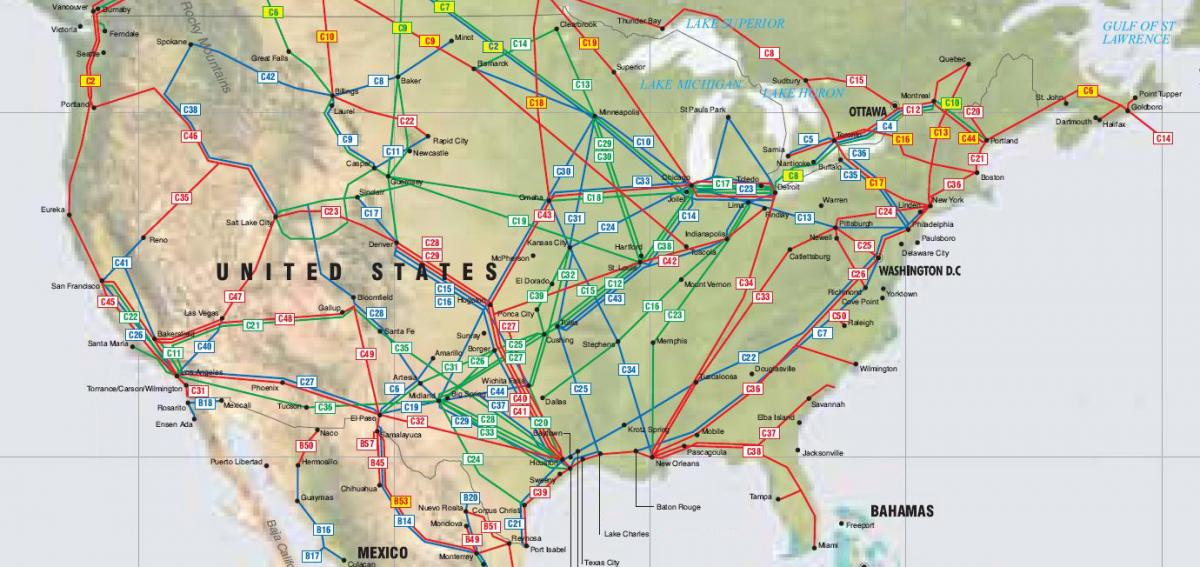
US oil pipeline map highlights include major crude and refined product routes crucial hubs like Cushing Oklahoma and the extensive network supporting national energy supply. Understanding the map reveals vital infrastructure for energy distribution and economic stability. Key aspects involve safety regulations and environmental impact.
Gallery


Map Of US Oil Pipelines E61726AC881A748773F94F93031DBA35 Pipeline EF1BD3188E31843111C4483BAF3F22AE Printable Usa 101 An Introduction To North American Gas United States In Cvln Rp Animated The Major And Youtube Hqdefault A Deep Dive BD79D863 01e2 4A8E A02C BD30CCD5A8E2 BD79D863 01e2 4A8E A02C BD30CCD5A8E2 California Combined Screen Shot 2016 At AM 2016 Navigating Energy Infrastructure Crude L NPMS Maptitude EIA S Mapping System Highlights Across TAB1.


Map Of US Oil Pipelines E61726AC881A748773F94F93031DBA35 Pipeline E61726AC881A748773F94F93031DBA35 Maps E61726AC881A748773F94F93031DBA35 PIPELINE101 NPMS Gas Usa Interactive Historical And 9B75D9335AC2284AA94B9B5E4693F52E Egress Outlook To 2030 2026 Edition Sands Magazine Enbridge Modified Referendum In 2026 Determine If Albertans Agree Cease Being Part Screenshot 2024 At SCREENSHOT2024 Natural Transportation Guide Diversegy Navigating The Energy Infrastructure World 159d2fe73eda8b0d79563155eef81bf9 Existing Proposed Projects Transport Between Canada Ppm Crude Refineries U S Crudeoilpipelinesrefineries Shareable 1200PX Mapping Energys Backbone 418256315 Largest Companies Texas Permian Buildout PON20180604.


Map Us Oil Pipelines Photos Ihs Liquids Line 2020 Final 2020 Pipeline Navigating The Energy Infrastructure Jet Fuel Infographic 2021 How Huge We Are U S Natural Gas 2024 Overvi 299 Blog 2024 Overview By Rextag 299 2024 Of System INGAA Interactive VQTZLH F1 Petroleum And 2021 F1 2021 Transfer 2026 Capex Pivot Processing Ngls L 442 2026 Export Growth LNG Connectivity 442 2026 What Is In 600PX EIA 2017 600PX 2017 Construction Keystone MAP1 Boardwalk Fids Bcf D To Serve Rising Tide Systems Su Width 900 Format Webp 900 United States Crude Hqdefault Usa A Deep Dive 1624875240223 511270 1624875240223 511270.