Artificial intelligence is dramatically reshaping our interaction with mapping applications, offering unparalleled precision and personalized experiences. From optimizing daily commutes to uncovering hidden gems for local guides, AI maps are becoming indispensable tools for exploration across the United States. They provide predictive routing, real-time traffic adjustments, and augmented reality overlays, making every journey smoother and more efficient. This technology ensures users receive the most relevant and timely information, enhancing both casual trips and adventurous expeditions. The continuous evolution of AI in mapping promises an even more integrated and intuitive future, transforming how we perceive and interact with our surroundings, making smart navigation an everyday reality for everyone.
- How do AI maps learn user preferences for route suggestions? - AI maps learn user preferences by analyzing past travel history, frequently visited locations, preferred modes of transport, and even feedback on suggested routes. This data allows the system to tailor future recommendations, creating a more personalized and efficient navigation experience for each individual user over time.
- Can AI-powered maps integrate with smart city infrastructure? - Yes, AI-powered maps are increasingly designed to integrate with smart city infrastructure. This integration allows them to access real-time data from traffic sensors, public transport systems, and smart parking solutions, providing more comprehensive and dynamic navigation. This contributes to more efficient urban mobility and resource management.
- What is the difference between traditional GPS and AI maps? - Traditional GPS primarily provides static directions based on satellite data. AI maps, however, use artificial intelligence to offer dynamic, personalized, and predictive navigation, incorporating real-time data like traffic and user preferences. They learn and adapt, offering a much more intelligent and comprehensive travel experience than basic GPS systems.
- Are AI maps accessible for users with disabilities? - Many AI maps are being developed with accessibility in mind, incorporating features like voice guidance, customizable visual cues, and optimized routes for wheelchair users. Developers are continuously working to enhance these features, ensuring that AI mapping technology is inclusive and helpful for users with diverse accessibility needs.
- How do AI maps handle unexpected road closures or diversions? - AI maps handle unexpected road closures or diversions by processing real-time data from traffic authorities and other users. Upon detecting an issue, the AI quickly recalculates and suggests alternative routes, guiding the user around the obstruction with minimal delay. This proactive approach ensures continuous optimal navigation.
- What kind of data do AI maps collect from users? - AI maps collect various types of data from users, including location history, search queries, preferred routes, and feedback on suggested destinations. This anonymized data helps refine algorithms, improve personalization, and enhance the overall accuracy and utility of the mapping service, while prioritizing user privacy and data security.
- Will AI maps replace human local guides in the future? - While AI maps offer vast amounts of information and personalized suggestions, they are unlikely to fully replace human local guides. AI can enhance discovery and efficiency, but human guides provide invaluable cultural context, personal anecdotes, and unique storytelling that AI cannot replicate, offering a complementary, not substitutive, role in exploration.
What are the primary benefits of using AI maps for travel?
AI maps offer significant benefits for travelers, including personalized route recommendations, real-time traffic updates, and predictive navigation that anticipates delays. They enhance discovery by suggesting local attractions and eateries tailored to your preferences, making every journey more efficient and enjoyable. This advanced technology ensures a smoother and more informed travel experience.
How does AI personalize my routes?
AI personalizes your routes by analyzing your past travel history, preferred modes of transport, and even time-of-day patterns. It considers current traffic, weather, and road conditions, then combines this data with your personal preferences to suggest the most optimal and convenient path specifically for you. This creates a truly tailored navigation experience.
Can AI maps help avoid traffic congestion effectively?
Yes, AI maps are highly effective at avoiding traffic congestion. They use sophisticated algorithms to process vast amounts of real-time and historical traffic data. This allows them to predict congestion spots and suggest alternative routes or departure times before you even encounter a delay, optimizing your travel efficiency considerably.
What role does augmented reality play in AI mapping?
Augmented reality (AR) in AI mapping overlays digital information, such as directional arrows and points of interest, directly onto a live view of your surroundings through your device’s camera. This enhances spatial awareness, making complex navigation clearer and more intuitive, particularly for pedestrians in urban environments or when trying to locate specific buildings.
Are AI maps reliable for discovering new places locally?
AI maps are exceptionally reliable for local discovery. They analyze user ratings, popular trends, and your own search history to recommend new restaurants, shops, parks, or events that match your interests. This proactive suggestion engine helps you uncover hidden gems and experience your local area in fresh and exciting ways.
AI Maps Revealed: Your Guide to Smarter Navigation|Master AI Maps: Unlock Next-Gen Travel Experiences|The AI Map Revolution: Proven Ways to Explore Smarter|Expert Insights: How AI Maps Transform Daily Commutes|AI Maps Explained: Step-by-Step for Enhanced DiscoveryDiscover how AI maps are redefining navigation. Get real-time updates, personalized routes, and unlock hidden gems with smart mapping technology. Explore smarter with AI.ai-maps-smart-navigationAre you curious about how AI maps are reshaping our journeys and daily commutes? Many people are wondering if these advanced systems truly offer a better way to navigate our busy world. Artificial intelligence is not just a buzzword; it is fundamentally transforming how we interact with our environment, especially when it comes to travel. The integration of AI into mapping applications provides a revolutionary level of personalization and efficiency. These AI maps offer more than just directions; they anticipate your needs, suggest optimal routes, and even highlight unique local spots.
Imagine a map that understands your preferences and guides you through the least congested paths, saving precious time. This is the reality with advanced AI mapping technology, making every trip a seamless experience. Local guides and everyday commuters alike are benefiting from these intelligent systems, which are constantly learning and adapting. It is clear that the future of navigation is deeply intertwined with these smart, predictive, and incredibly intuitive AI solutions, making our explorations richer and more enjoyable.
The Rise of AI in Mapping: Smarter Journeys
The landscape of digital mapping has evolved dramatically with the advent of artificial intelligence, promising smarter and more intuitive journeys for everyone. This technological leap allows maps to move beyond simple point-to-point directions, offering a dynamic and responsive experience. AI maps are now capable of understanding complex user patterns and environmental factors, delivering unparalleled accuracy and relevance. They adapt in real-time to traffic conditions, weather changes, and even personal preferences, making navigation truly intelligent.
Personalized Routes and Predictive Navigation
One of the most compelling features of modern AI maps is their ability to provide highly personalized routes tailored to individual needs. These systems learn from your past travel choices and current location, suggesting paths that align with your preferred pace or scenic desires. Predictive navigation takes this a step further, using vast datasets to forecast traffic and potential delays before they occur. This means your AI map can reroute you proactively, helping you avoid frustrating bottlenecks and ensuring you reach your destination efficiently and stress-free.
Real-time Updates and Augmented Reality
Real-time updates are a cornerstone of effective AI mapping, delivering instantaneous information about road closures, accidents, and public transport delays. This constant stream of data ensures you are always informed and can make quick, informed decisions on the go. Furthermore, augmented reality (AR) features are beginning to revolutionize how we perceive directions, overlaying navigational prompts directly onto your live camera view. This immersive experience makes it easier to navigate complex intersections and identify specific landmarks, enhancing clarity and reducing confusion.
Enhanced Local Discovery with AI Maps
Beyond simply getting from one place to another, AI maps are transforming local discovery, turning every outing into an adventure. They leverage sophisticated algorithms to analyze local trends, user reviews, and your search history, suggesting hidden gems you might otherwise miss. Whether it is a charming cafe, a historical landmark, or a trending restaurant, AI mapping technology can guide you to unique experiences. This capability empowers both tourists and locals to explore their surroundings more deeply, fostering a greater connection with their communities.
Who Benefits from Advanced AI Map Features?
The modern explorer, seeking efficient travel and unique experiences, is perfectly served by advanced AI map features. This user values precision and real-time information, ensuring every trip is smooth and enjoyable. They might be a professional navigating city traffic or an adventurer discovering new trails, always relying on the smartest tools available. AI maps cater to a broad demographic, from daily commuters to avid travelers, providing tailored solutions for diverse navigational needs and preferences.
Meet the AI-Powered Explorer
Casting for the quintessential user of AI maps often envisions individuals who are tech-savvy and adventure-ready. They are typically of average height and a lean to athletic build, reflecting an active lifestyle. Hair colors vary from dark brown to light blonde, with expressive eyes that show curiosity and engagement. The age range is broad, from early twenties to late fifties, and includes a diverse range of ethnicities, mirroring the global user base embracing these innovative tools for exploration.
What Others Are Asking?
What are AI Maps?
AI Maps are advanced navigation applications utilizing artificial intelligence to offer personalized, predictive, and real-time routing solutions. They learn user preferences, anticipate traffic, and integrate data from various sources to provide highly optimized travel experiences. This technology goes beyond basic directions, enhancing efficiency and local discovery for users.
How do AI Maps improve daily commutes?
AI Maps significantly improve daily commutes by offering predictive traffic analysis, real-time rerouting, and personalized route suggestions. They help users avoid congestion, identify the fastest paths, and even suggest alternative transport options, drastically reducing travel time and stress. This results in a smoother, more efficient journey.
Can AI Maps help with finding local attractions?
Absolutely, AI Maps excel at local discovery, leveraging algorithms to suggest trending attractions, restaurants, and hidden gems based on user data and location. They provide tailored recommendations that match individual interests, helping both residents and visitors explore their surroundings more deeply and uncover unique experiences effortlessly.
Are AI Maps accurate for walking directions?
Yes, AI Maps are highly accurate for walking directions, often incorporating augmented reality overlays and detailed pedestrian pathways. They provide precise turn-by-turn guidance, identify points of interest, and can even navigate complex urban environments with ease. This ensures a reliable and clear walking experience.
What is predictive routing in AI Maps?
Predictive routing in AI Maps uses historical and real-time data to forecast future traffic conditions and suggest the most efficient route proactively. It anticipates potential delays, offering alternative paths before congestion impacts your journey. This forward-thinking approach saves time and enhances overall travel reliability.
Final Thoughts on AI Powered Map Features
AI powered map features are undeniably revolutionizing how we interact with our world, offering smarter, more personalized, and highly efficient navigation. These AI maps are transforming everything from daily commutes to adventurous explorations, providing real-time intelligence and insightful local discovery. Embracing AI mapping technology means unlocking a future of seamless and informed travel for everyone.
What new AI map features are you most excited to see in the coming years? How has AI already changed your approach to travel and local exploration?
Personalized routes, real-time updates, predictive navigation, augmented reality, enhanced local discovery, voice controlled interaction, sustainable travel options.

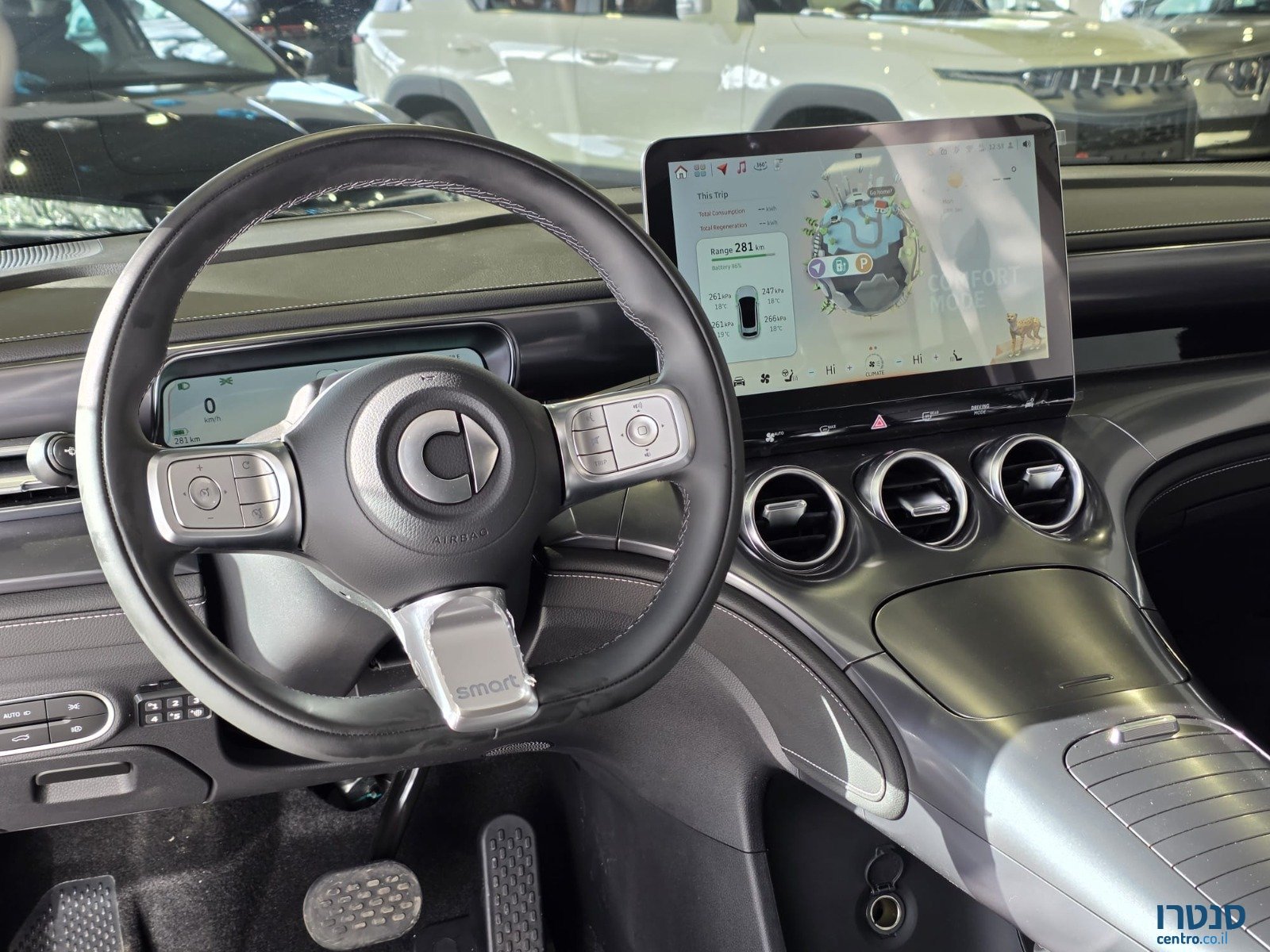



Smart 5 2026 EV BRABUS Motorguru Ae Smart 5 2026 EV 008 . 2026 Smart 2026 Smart 015 . 2026 Smart 5 Pro UK Version 842353 Best Quality Free High Smart 5 Pro Uk Version 2026 842353 . AI Powered Smart Navigation How Technology Is Daily AI Powered Smart Navigation AI Smart Navigation Commuting 2026.webp. Smart 3 2026 Review Specs Price And Mileage Brochure Auto User Smart 3 2026 Fig 9
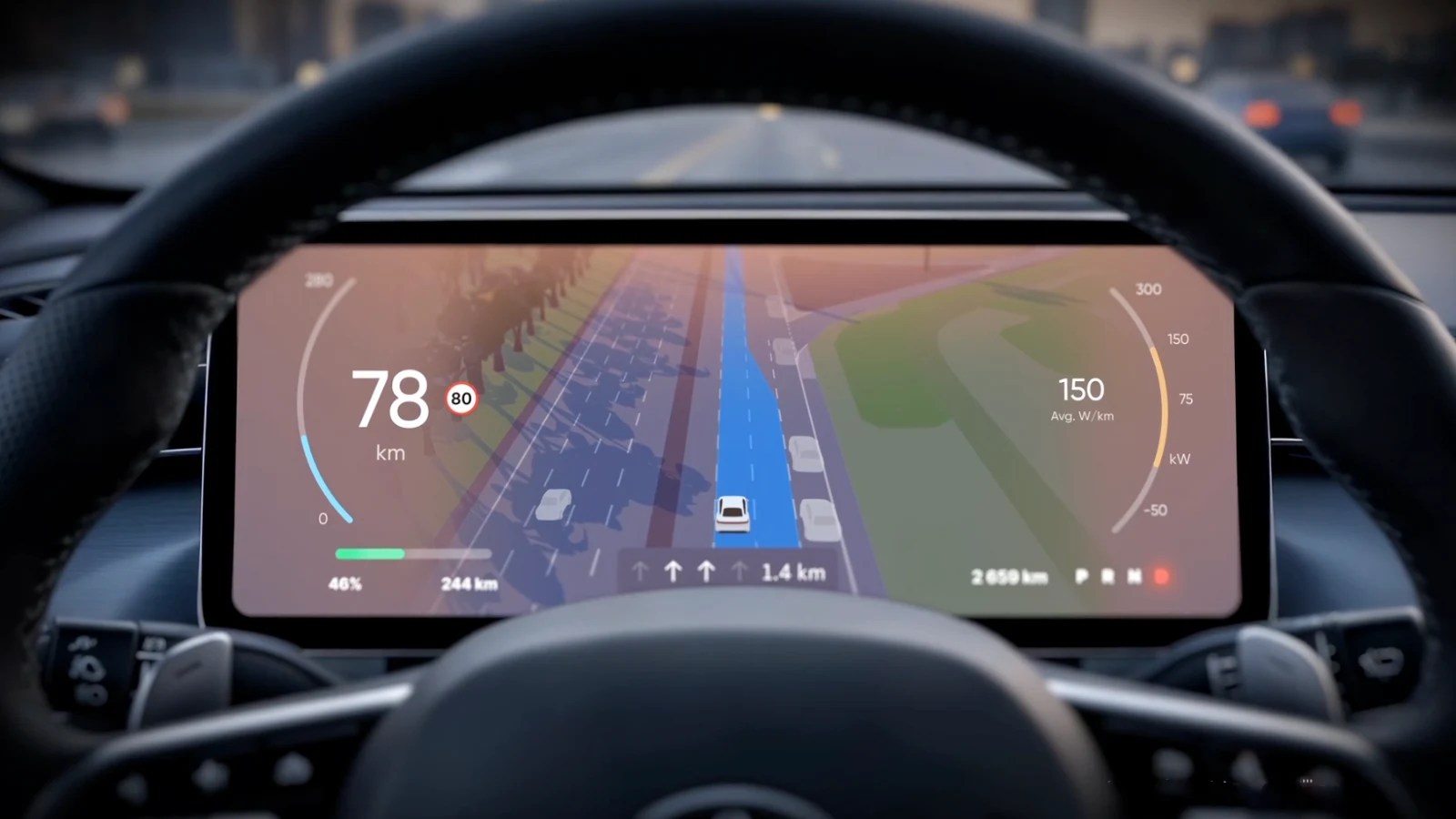


Mapbox Leads The 2026 Car Navigation Revolution With Real World 3D Lane. SMART 1 2026 Dynamic Plus Edition Long Range Electric Vehicle EV Is 5 . Top GPS 2026 Naviguez L Avenir Sur La Route Les Meilleurs GPS 2026 Pour La Route . IF Design Smart Navigation 1 . Smart Tracking 2026 Inovasi GPS Kendaraan Surabaya Dengan Sistem ChatGPT Image 28 Jan 2026 22.43.03


IF Design Smart Navigation 2 . Smart 2026 Toutes Les Nouveaut S Venir Smart Novita 2026 . How To Use Claude Cowork In 2026 Beginner S Step By Step Guide UUZW1XtA . The New Google Maps 2026 Becomes Your Personal Digital Prophet The How Were Reimagining Maps With G.width 2200.format Webp. Spatial Navigation Examples In 2026 20251203 0148 2026 Spatial Navigation Simple Compose
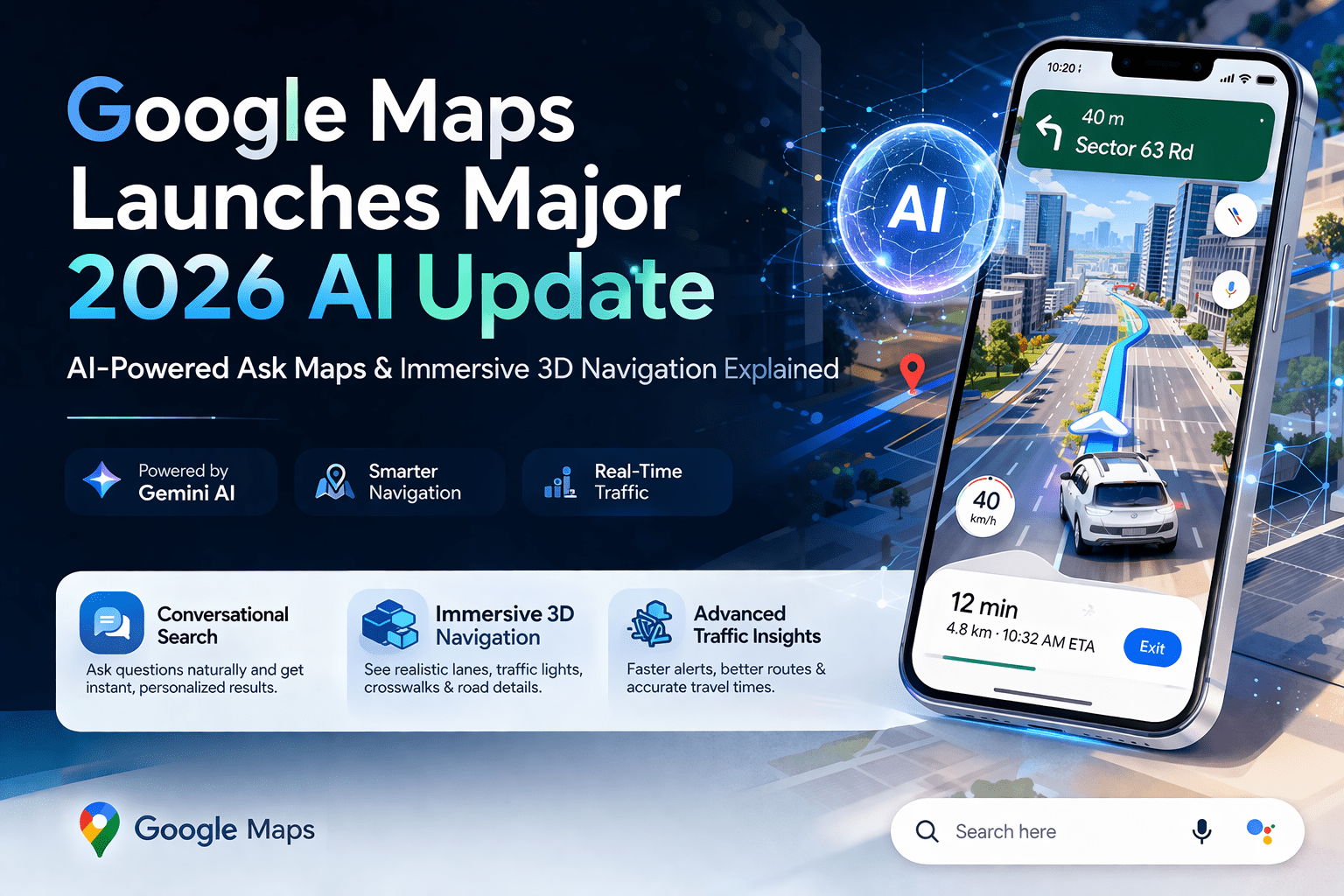


Google Maps AI Update 2026 Ask Maps Immersive 3D Navigation Google Maps AI Update 2026 . Smart Prototypes Summit 2026 Set For May In Italy Engineering Com VI Grade And HBK Announce SMART PROTOTYPES Summit 2026 . CES 2026 5 Innovations Qui Vont Tout Changer 5 Innovations A Surveiller Au CES 2026 . IF Design Smart Navigation 6 . IF Design Smart Navigation 7


Nuova Smart 2026 La 2 Erede Della Fortwo Quando Arriva Igd . Smart 2 2026 Le Retour Annonc De L Ic Ne Urbaine Moniteur Automobile Smart 2 . New 2026 ForTwo Tries To Digitally Outsmart The Competition New 2026 Fortwo Tries To Digitally Outsmart The Competition 1 . LIGE 2026 GPS Smart Watch User Manual Manuals LIGE 2026 GPS Smart Watch FEATURED 1 1024x458 . Top 10 Best For 2026 Ultimate Buying Guide Dutchiee TV Top 10 Best For 2026 1


Gamma Smart 2026 Tutti I Modelli In Arrivo E In Vendita Fleet Magazine Nuova Smart 2 Fortwo Elettrica 2026 . The Best Motorcycle Smart Navigation Systems Of 2026 INNOVV N2 Deep D 1 1dae6ed2 89b5 4c92 A3c7 . The Best Motorcycle Smart Navigation Systems Of 2026 INNOVV N2 Deep D 8 84aaff7d E276 41b7 B867 . THE BEST IN 2026 OPTIONS FOR EVERY BUDGET Performance Module. EAST Smart Navigation For Robots In Dynamic EAST Smart Navigation For Robots In Dynamic


2026 AI Smart Watch With Standalone GPS Offline Maps 5ATM Waterproo 02 F256afbc 9cbe 4a26 B6ea . IF Design Smart Navigation 4 . 2026 Smart 2 Confirmed To Debut New ECA Platform 2026 Smart 2 Confirmed To Debut New Eca Platform 262680 1 . New 2026 ForTwo Tries To Digitally Outsmart The Competition New 2026 Fortwo Tries To Digitally Outsmart The Competition 3 . IF Design Smart Navigation 5