Q&A
How does a Spanish map of Europe enhance travel?
A Spanish map of Europe enhances travel by providing place names and geographical features in Spanish, aiding language learners and those seeking cultural immersion. It clarifies local designations, streamlines navigation, and helps identify Spanish-speaking regions and culturally relevant sites, leading to a more informed and connected journey for US travelers.
Where can US travelers buy a detailed Spanish map of Europe?
US travelers can purchase detailed Spanish maps of Europe from various sources. Online retailers like Amazon, specialized travel bookstores, and educational supply stores often carry both physical and digital versions. Many map applications also allow users to switch language settings to Spanish for digital navigation, offering convenient access.
What major countries are included on a Spanish map of Europe?
A Spanish map of Europe includes all major European countries, just like any standard map. The key difference lies in the nomenclature, where country names, capital cities, and significant geographical features are labeled in Spanish. This offers a consistent linguistic framework for exploring the entire continent from a Spanish perspective.
Why use a map in Spanish if I speak English?
Using a map in Spanish, even if you speak English, offers unique benefits. It supports language learning by providing real-world context for Spanish vocabulary, helps in understanding local signage more accurately, and aids in connecting with Spanish-speaking cultures across Europe. It adds an educational and immersive layer to your travel experience.
Can a digital Spanish map of Europe be helpful for navigation?
Yes, a digital Spanish map of Europe is exceptionally helpful for navigation. Many popular mapping apps allow language settings to be changed to Spanish, displaying routes and points of interest in Spanish. These digital tools often include real-time updates, public transport information, and offline capabilities, proving highly convenient for travelers.
What benefits does a Spanish map offer for studying European geography?
A Spanish map significantly benefits the study of European geography by allowing students to learn place names in Spanish. This linguistic connection reinforces geographical knowledge, aids in understanding cultural and historical ties between regions, and provides a unique perspective on the continent's physical and political landscape for U.S. students.
Embark on an insightful journey with a Spanish map of Europe, an indispensable resource for U.S. travelers keen on exploring the continent with a unique linguistic and cultural lens. This comprehensive guide helps you identify Spanish-speaking regions, locate historical sites, and navigate diverse landscapes, ensuring a richer travel experience. Discover how this specialized map aids in planning your itinerary, from comparing city names in Spanish to understanding local dialects. Learn about the availability of physical and digital versions, guiding your decision to find, purchase, or download the best option for your trip. Uncover the practical benefits for language learners, cultural enthusiasts, and anyone looking to deepen their understanding of European geography through a Spanish perspective. This resource empowers you to find authentic experiences, connect with local communities, and efficiently plan your next European adventure, making every stop more meaningful and every discovery more profound.
Frequently asked questions
What makes a Spanish map of Europe different?
It labels cities, countries, and geographical features with their Spanish names, offering a unique linguistic perspective for learners and travelers focused on Spanish-speaking cultures and regions. This provides a distinct cultural and educational lens for exploration.
Is a Spanish map helpful for non-Spanish speakers?
Yes, it can be useful for those learning Spanish or seeking cultural immersion. Many place names are recognizable, and it adds an educational layer to travel planning, helping to connect English speakers with Spanish terminology and context.
Where can US travelers buy a Spanish map of Europe?
US travelers can typically purchase these maps online through major retailers like Amazon, specialty travel stores, or educational supply shops. Digital versions are also available via many popular mapping applications that allow for language changes.
How accurate are modern Spanish maps of Europe?
Modern Spanish maps of Europe are highly accurate, incorporating the latest geographical data and political boundaries, similar to maps in any other language. They are reliable for navigation and understanding the current European landscape.
What benefits does a Spanish map offer for studying European geography?
It provides an excellent tool for language students to connect Spanish vocabulary with geographical locations, deepening their understanding of Europe's diverse regions and cultural ties. This hands-on approach enriches learning beyond typical textbook methods.
Can I find a digital Spanish map of Europe for my phone?
Absolutely. Many mapping applications and online resources offer downloadable or interactive digital Spanish maps of Europe, convenient for on-the-go navigation and planning. These provide real-time updates and often work offline.
Many U.S. travelers dream of exploring Europe, often focusing on its rich history and diverse cultures. However, for those looking to immerse themselves in the Spanish language or connect with Spanish-speaking communities across the continent, a specific tool can significantly enhance their journey: a Spanish map of Europe. This isn't just a map with names translated; it's a navigational asset that unlocks a deeper understanding of regions, cultural connections, and historical influences. Understanding how to use one empowers travelers to plan routes more effectively, discover authentic experiences, and engage with the European landscape through a uniquely Spanish perspective, making every mile traveled more meaningful. It helps you decide where to go, what to see, and how to prepare for an enriching adventure.
Why is a Spanish Map of Europe Important for US Travelers?
A Spanish map of Europe offers distinct advantages for U.S. travelers, particularly those learning Spanish or seeking a deeper cultural connection. Having place names and geographical features presented in Spanish can significantly aid in language immersion. It provides a real-world context for vocabulary, helping travelers connect written words with physical locations, thereby making the learning process more practical and engaging. This direct exposure to the language in a navigational context builds confidence and reinforces linguistic understanding, transforming travel into an active learning experience that transcends traditional classroom settings.
Beyond language benefits, a Spanish map provides valuable navigational clarity. Many European towns and regions have local names that might differ slightly or appear unique when viewed through an English translation. A Spanish map helps standardize these names, making it easier for travelers to recognize and pronounce them correctly when asking for directions or reading local signage. This consistency reduces confusion and streamlines the travel process, ensuring smoother transitions between destinations. It also helps travelers quickly identify areas with strong Spanish cultural ties, guiding them towards more authentic and relevant experiences during their trip.
Furthermore, this specialized map is a powerful planning tool. For travelers interested in visiting Spanish-speaking communities beyond Spain itself, such as parts of Andorra or historical territories with Spanish influence, the map highlights these connections. It allows for strategic route planning that incorporates specific cultural or linguistic objectives. By outlining potential pathways through various Spanish-speaking areas, travelers can craft an itinerary that truly reflects their interests, from historical exploration to culinary adventures, ensuring a comprehensive and tailored European experience that aligns perfectly with their travel goals and preferences.
Where Can You Find and Use a Spanish Map of Europe?
For U.S. travelers, acquiring a Spanish map of Europe is straightforward, with options ranging from traditional physical maps to modern digital applications. Online retailers like Amazon, specialty bookstores, and even large travel goods stores often stock physical maps. These tangible maps provide a classic travel experience, perfect for unfolding and planning routes without relying on battery life. Many educational supply stores also carry them, catering to students and language learners. When choosing, consider the scale and detail, ensuring it covers the specific regions you plan to explore comprehensively, offering the navigational depth you require.
Digital Spanish maps of Europe are widely accessible and offer unparalleled convenience for on-the-go navigation. Applications like Google Maps, Apple Maps, and various specialized travel apps allow users to switch language settings, displaying place names in Spanish. These digital tools often include real-time traffic updates, public transportation routes, and points of interest, enhancing the practicality of your journey. Many offer offline download capabilities, ensuring you have access to your map even without an internet connection. Exploring these digital options beforehand allows you to compare features and choose the best fit for your travel style and device preferences.
The practical applications of a Spanish map extend beyond simple navigation. Educators and students in the U.S. find them invaluable for cultural studies and geography lessons. The map serves as a visual aid to understand European political geography, historical migrations, and the spread of the Spanish language. Travelers can use it to compare the geographical layout of Spain with other European countries, deepening their appreciation for regional differences and similarities. Whether for academic purposes or practical travel, these maps offer a unique lens through which to engage with and understand the diverse continent of Europe.
How to Read a Spanish Map Effectively
To effectively read a Spanish map, familiarizing yourself with common Spanish geographical terms is key. Labels such as río for river, montaña for mountain, ciudad for city, and frontera for border will frequently appear. Understanding these basic terms allows for quick interpretation of the map's features. Pay close attention to the legend, or leyenda, which explains all symbols and colors used. This ensures you can differentiate between various types of roads, landmarks, and administrative boundaries. A solid grasp of these linguistic and cartographic conventions makes navigation much more intuitive and reliable.
Interpreting cities, regions, and borders on a Spanish map involves recognizing their specific designations. Cities are often clearly marked with dots or larger labels, while regions, or regiones, might be delineated by color or distinct outlines. International borders, referred to as fronteras internacionales, are typically shown with dashed or solid lines, indicating the separation between countries. Observing these visual cues helps you understand the political and geographical landscape. This skill is particularly useful for planning cross-border travel or understanding the administrative divisions within countries, making your journey smoother and more informed.
Using a Spanish map to understand distances and terrain involves paying attention to the scale and contour lines. The scale, or escala, indicates the ratio between a distance on the map and the corresponding distance on the ground, helping you estimate travel times. Contour lines illustrate changes in elevation, giving you a sense of the terrain's ruggedness or flatness. For instance, closely spaced contour lines suggest steep inclines, while widely spaced lines indicate flatter areas. This understanding is crucial for road trips, hiking, or simply appreciating the physical geography of the regions you are exploring, allowing for better trip preparation and route selection.
What Are the Key Spanish Speaking Regions Across Europe?
The most prominent Spanish-speaking region in Europe is, naturally, Spain itself. This vibrant country is the heartland of the Spanish language and culture, offering a diverse array of experiences from the bustling streets of Madrid to the sun-drenched beaches of Andalusia. Within Spain, visitors will find varied accents and regional idioms, reflecting the country's rich historical tapestry. The Canary Islands, an autonomous community of Spain located off the northwest coast of Africa, also fully embrace Spanish as their official language. These islands provide a unique blend of European and African influences, all while communicating in clear Spanish, making them a popular destination for those seeking language immersion alongside beautiful scenery.
Beyond the Spanish mainland and its islands, other parts of Europe have significant Spanish linguistic ties. The small principality of Andorra, nestled in the Pyrenees mountains between Spain and France, recognizes Catalan as its official language, but Spanish is widely spoken and understood due to its strong cultural and economic connections with Spain. Many residents are bilingual, and Spanish is commonly used in daily life, business, and tourism. Similarly, Gibraltar, a British Overseas Territory on Spain's southern coast, while primarily English-speaking, has a local dialect known as Llanito, which heavily incorporates Spanish words and phrases, reflecting its historical proximity and interactions with Spain.
The historical influence of Spain has also left its mark in various other European locations, even if Spanish is not an official language. For example, in parts of Italy, particularly in Sardinia, there are historical ties to the Crown of Aragon, leading to residual Spanish linguistic influences. These areas, while not typically considered Spanish-speaking today, represent interesting footnotes for cultural enthusiasts using a Spanish map to trace historical connections. Understanding these regions helps US travelers appreciate the broader reach and enduring legacy of Spanish culture throughout the European continent, adding layers of depth to their travel experience and exploration.
Exploring Cultural Hotspots with a Spanish Map
Using a Spanish map allows travelers to strategically identify and explore cultural hotspots that resonate with Spanish heritage and language. By examining place names and regional labels in Spanish, one can pinpoint cities renowned for their historical sites, such as ancient Roman ruins or medieval castles, often with rich Spanish narratives. The map also helps in locating vibrant cultural centers that host traditional festivals, art exhibitions, or flamenco shows. This direct linguistic approach to geography makes it easier to connect with the authentic cultural pulse of each location, moving beyond typical tourist paths to discover genuine local experiences and events, enriching the overall travel narrative significantly.
A Spanish map becomes an invaluable tool for connecting language to local experiences. When you see a city name like 'Granada' or 'Sevilla' on a Spanish map, it immediately evokes images of specific historical events, architectural styles, and culinary traditions that are deeply embedded in Spanish culture. This visual and linguistic link helps travelers prepare for their visit by researching local phrases, understanding regional customs, and anticipating unique interactions. It encourages a more thoughtful engagement with the destination, allowing for richer conversations with locals and a deeper appreciation for their way of life, turning every interaction into a learning opportunity.
Planning visits to authentic Spanish neighborhoods, whether in Spain or areas with historical Spanish influence across Europe, becomes more precise with a Spanish map. These maps often detail smaller streets and districts, helping travelers navigate intricate urban landscapes. You can easily locate areas known for their traditional markets, family-run restaurants, or artisan workshops, which are often the true heart of local culture. By using the Spanish names of these locations, travelers can communicate more effectively with residents, ensuring they find the hidden gems and truly immerse themselves in the local flavor. This meticulous planning guarantees a more profound and memorable cultural exploration.
What Should US Travelers Know Before Using a Spanish Map?
Before relying solely on a Spanish map of Europe, US travelers should understand that while place names are in Spanish, the official languages of many European countries are not Spanish. This means local signage, restaurant menus, and everyday conversations will often be in the native language of that country, such as French in France or German in Germany. While your map provides a Spanish context, be prepared for linguistic diversity on the ground. It is always wise to learn a few basic phrases in the local language of the specific countries you plan to visit, which will significantly enhance your communication and overall travel experience.
Travelers should also consider the different types of Spanish spoken. While Castilian Spanish is the most common form, regional dialects and accents exist, even within Spain itself. A map provides geographical names, but the pronunciation might vary. When interacting with locals, embracing these linguistic nuances can be part of the cultural adventure. Furthermore, ensure your map is up-to-date. Political boundaries, road networks, and points of interest can change over time. Using a current edition, especially for digital maps, guarantees the most accurate information for your navigational needs, preventing potential confusion or missed turns during your journey.
Finally, integrating a Spanish map with other travel resources is often the most effective strategy. Combine your Spanish map with a good travel guide that offers cultural insights, historical facts, and practical tips in English. Also, leverage online resources for real-time information, such as public transport schedules or event listings. For those who enjoy a blend of digital and physical tools, having a printed Spanish map for broad overview and a digital map for detailed, real-time navigation offers the best of both worlds. This layered approach ensures you are well-prepared for any situation, making your European adventure both enjoyable and culturally enriching.
Is a Spanish Map of Europe Worth It for Educational Purposes?
Absolutely, a Spanish map of Europe is highly valuable for educational purposes, especially for students and language enthusiasts in the U.S. It provides an excellent visual aid for connecting Spanish vocabulary with geographical locations, making the learning of European geography more dynamic and engaging. Students can identify major cities, mountain ranges, and rivers by their Spanish names, deepening their understanding of both the language and the continent's physical landscape. This direct application of linguistic knowledge to real-world geography enhances comprehension and retention, fostering a more complete educational experience beyond rote memorization of terms.
For those studying Spanish history or European cultural ties, the map offers tangible insights into the reach of Spanish influence. By seeing how certain regions or historical sites are named, students can trace the paths of historical events, empires, or cultural exchanges. It helps to contextualize lessons about significant figures or periods, illustrating their geographical impact. This visual representation can spark curiosity and encourage further research into specific areas, turning academic study into an interactive exploration of history and culture, making the subject matter far more accessible and relatable for students of all ages.
Furthermore, using a Spanish map encourages critical thinking and analytical skills. Students learn to interpret cartographic symbols and information presented in a non-native language, challenging them to synthesize data from multiple sources. It also supports cross-curricular learning, blending geography, history, and language arts into a cohesive study experience. For teachers in the U.S., these maps are an invaluable classroom resource, providing a unique tool to illustrate complex concepts and foster a deeper appreciation for global diversity and linguistic understanding among their students, thereby enriching the educational environment significantly.
Conclusion Navigating Europe with a Spanish Perspective
Exploring Europe with a Spanish map offers a uniquely enriching experience for U.S. travelers, language learners, and cultural enthusiasts alike. This specialized tool transcends simple navigation, providing a gateway to deeper linguistic immersion, clearer understanding of place names, and enhanced cultural discovery. Whether you are planning an intricate itinerary through Spanish-speaking regions or simply aiming to appreciate Europe's geography through a different linguistic lens, the benefits are clear. It empowers you to connect more profoundly with the continent's diverse heritage, making your journey not just a trip, but a truly informative adventure.
The value of a Spanish map extends from practical travel planning, helping you decide where to go and how to get there, to supporting educational endeavors by bridging language and geography. By understanding where to acquire these maps—from online platforms to specialty stores in the U.S.—and how to interpret their unique nomenclature, you equip yourself with an invaluable resource. This map helps you find specific cultural sites, compare different regions, and appreciate the nuances of European identity. It becomes a personal guide, inviting you to discover new perspectives and create more meaningful travel stories.
Ultimately, incorporating a Spanish map into your European travel preparations is a smart next step for anyone looking to enrich their experience. It encourages a proactive approach to exploring the continent, fostering a greater appreciation for its linguistic diversity and cultural depth. So, whether you opt for a durable physical map or a convenient digital application, embrace the opportunity to see Europe through a Spanish lens. It promises to transform your journey, making every discovery a testament to the continent's enduring charm and every destination a point of genuine connection.
Key highlights
spanish map of europe benefits, planning Spain travel from US, best European cities for Spanish speakers, European geography in Spanish, finding Spanish cultural sites in Europe, how to use a Spanish map for travel, where to buy Spanish maps in US, understanding European regions in Spanish
Gallery


Europe Map Wallpapers Wallpaper Cave WP1896017 Colorful Political With Names In Spanish High Res Vector Of Written Yvonne Cooper Flickr 5871727598 49d8087895 Z 5871727598 49d8087895 Illustration State Wise Analysis Climate Related Disasters India GDP Per Capita European Countries USD 2026 Today Historical Atlas January 2026 Omniatlas EUROPE20260115 Rainbow 2026 Spain Ends Malta S Reign And Splits Two 2026 Maltas 2026 Summer Strike 2026 France Italy Warning Guide Season June 2026 Belgium Ryanair Easyjet British Airways Lufthansa Barcelona Madrid Paris Rome Brussels EU261 2026 EU261 2026 Year A 3D Render The 2026 1000 F 1754972348 MPLOVJH9CEBUVWDLHQWSGNNNO1Z5KSX4 1000 1754972348 MPLOVJH9CEBUVWDLHQWSGNNNO1Z5KSX4 2026 Over 2026 Overlaid 1000 1760968695 BUPSAXUVE2TGU0MEYZIQ3MZNLMKBK8HF 1000 1760968695 BUPSAXUVE2TGU0MEYZIQ3MZNLMKBK8HF 2026 On Craiyon 7C58480F091B433B994FDE775459718A 2026 3D Video 2026 1000 1755037516 PSSWTWQC4JE8FDLFYWIXGLFVLBGG1KUH 1000 1755037516 PSSWTWQC4JE8FDLFYWIXGLFVLBGG1KUH.
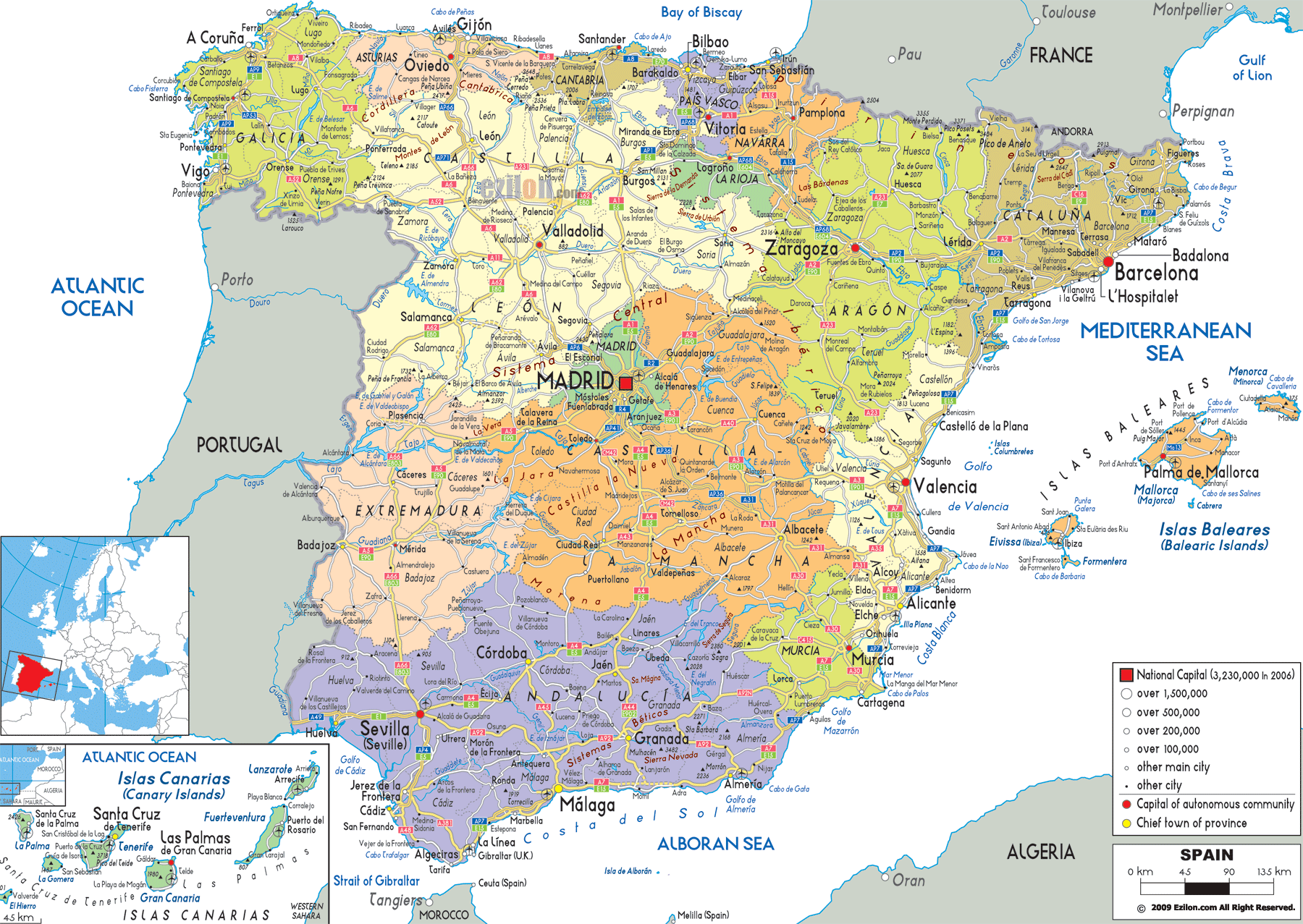


Spain Map Toursmaps Com Historical Atlas Of Europe January 2026 Omniatlas EUROPE20260115 152 2026 Stock Photos Free Royalty Creative Display Using Wooden Blocks Parts Asia 419727777 2026 From Future Planning Showing Concept 419099971 Countries And Cities GIS Geography High Resolution Aug 2026 Total Solar Eclipse In Es Large Regions Mapsland Maps The World Fakir Litre Cilal Oto Ampuan Parlak Temizlik TL OK 2026 Portugal 2026 Michelin National 734 By Folded 9782067270350 Largest Tiramisu Barcelona S Sweet Record Attempt 2026 Labeled With Capitals Printable Detailed Administrative Major Gifs Physical.


Political Map Of Europe Spain Mapsland Maps The World Small Is Outpacing In 2026 Stocks Set To Benefit Jbiznews Flag On India S Engineering Colleges Regional Insights And Trends Average Life Expectancy 2026 Inventory Relevant SOGIESC Case Law Pending Cases Before Rainbow 2026 State Wise Analysis Higher Education Enrollment GDP European Countries Trillion USD A De Facto 2026 Craiyon 0a93659543db4f9eb6b6b2437ce634a1 Guide With Regions Highlighted Royalty Free Vector 18695443 Ilustrace Year 2026 3D 2026 Top 1000 F 1754974380 AWSRIC0Z4PGKJRCKKVC15RMROXMGIDKM 1000 1754974380 AWSRIC0Z4PGKJRCKKVC15RMROXMGIDKM Stock Illustration 4291212.