Ever wondered how to seamlessly integrate your custom sound effects and music into the vibrant worlds of Roblox? Distributing audio on Roblox involves a precise process of uploading, configuring, and managing your sound assets to enhance user experience within your games. This comprehensive guide navigates the essential steps, from understanding file formats and adhering to strict copyright guidelines to utilizing the Roblox asset uploader effectively. We'll delve into the nuances of sound IDs, moderation policies, and best practices for optimizing audio performance, ensuring your creations sound professional and are accessible to players. Learn why proper audio distribution is pivotal for game immersion, how to troubleshoot common upload issues, and stay updated with Roblox's evolving audio landscape to make your game truly stand out in the bustling developer community. This information is crucial for any aspiring or seasoned Roblox developer looking to elevate their game with custom audio experiences, ensuring compliance and maximizing player engagement.
Related games- How to Test PC Components Guide for Optimal Gaming Performance
- How to Discover Every Roblox Game
- Guide: Dress to Impress Roblox Codes 2026
- Guide to Roblox Seeds Unlock Your Perfect World
- How Large Is the Gaming Industry Guide for US Gamers
Hey there, fellow Roblox creator! Ever felt a bit lost trying to get your amazing audio into your game? You're in good company! This is your ultimate, living FAQ, constantly updated to help you navigate the ins and outs of audio distribution on Roblox, especially with all the latest patches and platform changes. We're covering everything from the absolute basics to those tricky troubleshooting moments, ensuring you have all the tips, tricks, and guides you need to make your game sound spectacular. So grab a coffee, and let's dive into making your Roblox world sing!
Most Asked Questions about How to Distribute an Audio on Roblox
What is the easiest way to upload custom audio to Roblox in 2024?
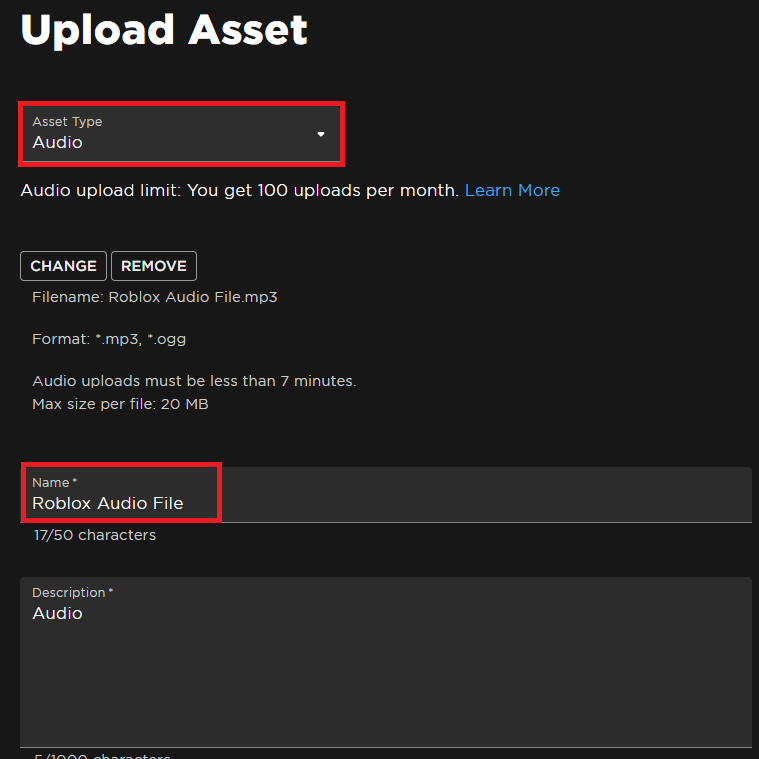
The easiest way is to use the Roblox Creator Dashboard on the website. Log in, go to 'Create', then navigate to 'Audio' under 'Develop'. Click 'Upload Asset', choose your MP3 or OGG file, give it a name, and pay the small Robux fee. Ensure it's under 7 minutes and 2MB, and crucially, make sure you own the rights or have permission to use the audio to pass moderation quickly.
How can I avoid copyright issues when distributing audio on Roblox?
To avoid copyright issues, always use audio that you created yourself, is explicitly licensed to you for commercial use on Roblox, or comes from royalty-free sources (like the YouTube Audio Library or specific free sound effect websites). Always check the license terms for any third-party audio. Never use popular copyrighted songs or sounds without direct permission; Roblox moderation is strict and will reject unauthorized uploads.
Why is my uploaded audio not playing in my Roblox game?
Common reasons for audio not playing include an incorrect Sound ID in your script, the Sound object not being enabled or properly parented in your game hierarchy, or the audio still being under moderation review/rejected. Also, check your script for errors in calling `Sound:Play()` and ensure the audio file adheres to Roblox's length and size limits. Always check the output window in Roblox Studio for error messages.
What are the best file formats and size limits for Roblox audio?
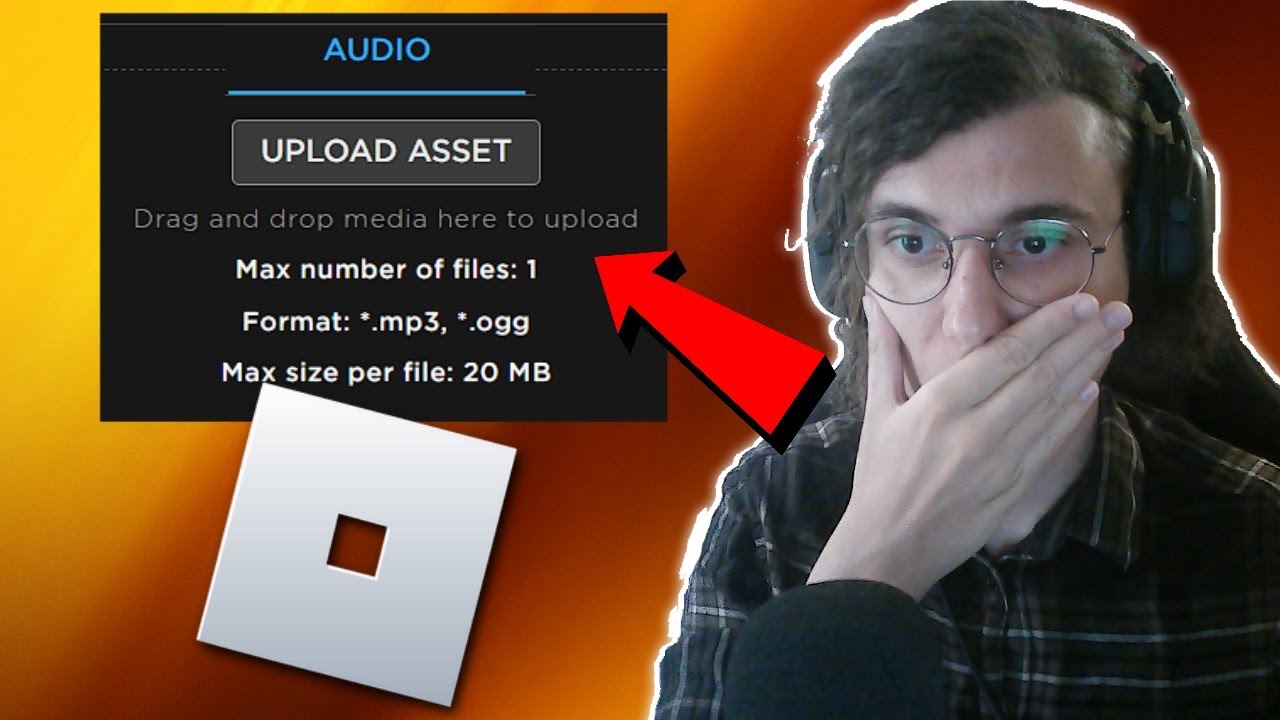
Roblox primarily supports MP3 and OGG file formats for audio uploads. For optimal performance and successful uploads, individual audio files should generally be under 7 minutes in length and have a maximum file size of approximately 2MB. Keeping your files compressed and trimmed of unnecessary silence helps significantly in meeting these limits and ensuring smooth in-game playback.
How do I make my Roblox game's background music loop seamlessly?
To make background music loop seamlessly, first ensure your audio file itself is edited to loop smoothly in an audio editor (e.g., crossfade the beginning and end). In Roblox Studio, insert a Sound object into your game, paste your audio's Sound ID into its `SoundId` property, and simply check the `Looped` property box within the Sound object's properties. Then, use a script to call `Sound:Play()` on that object.
Can I use free audio from the Roblox Creator Marketplace without copyright worries?
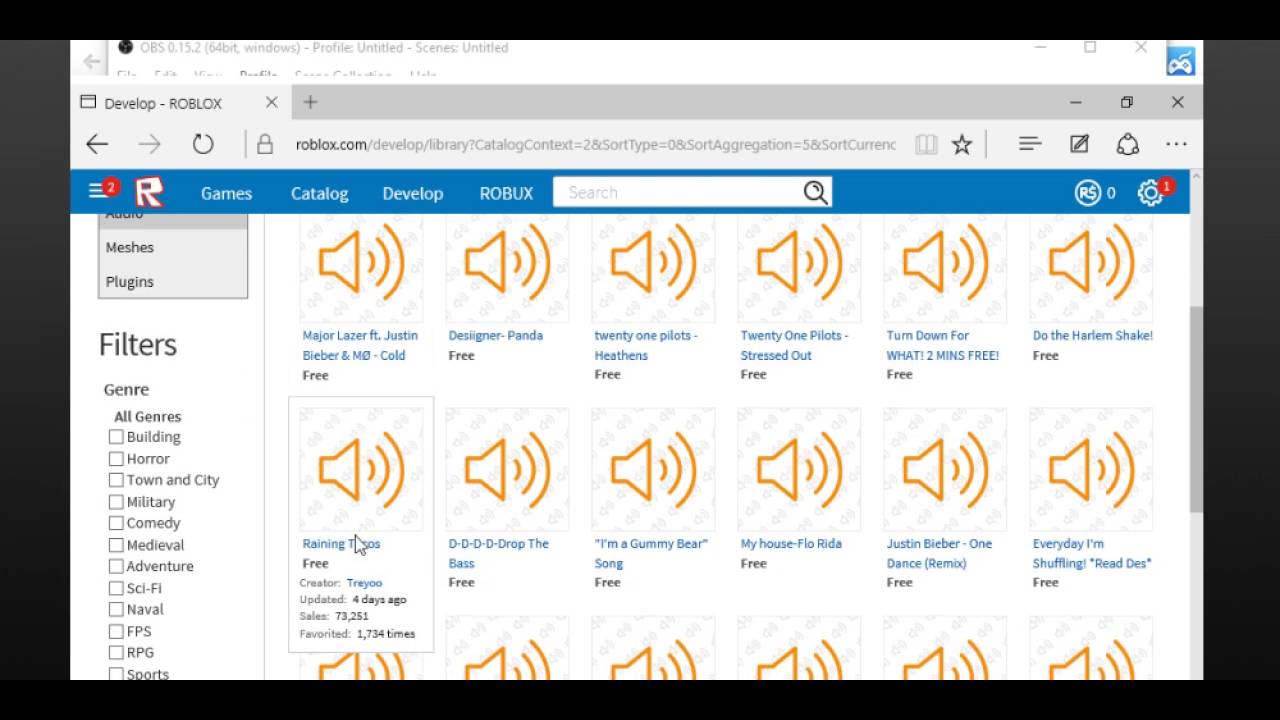
Yes, audio assets officially available and marked for public use in the Roblox Creator Marketplace are generally safe to use without direct copyright worries, as they are either created by Roblox or uploaded by users who have agreed to allow public usage. However, it's always good practice to double-check the asset's description for any specific attribution requirements or additional notes from the creator, if provided.
What are SoundGroups and how do they help manage audio in my game?
SoundGroups are powerful tools in Roblox Studio that allow you to categorize and control multiple Sound objects simultaneously. For example, you can create a 'Music' SoundGroup and put all your background music sounds into it. By adjusting the 'Volume' property of the 'Music' SoundGroup, you can change the volume of all sounds within that group at once, making it much easier to mix your game's audio and provide player-controlled volume settings for different audio types.
Still have questions? Check out our guides on advanced scripting for dynamic audio or optimizing game performance for massive worlds!
Ever found yourself asking, "How do I even get my cool custom sounds or epic background music into my Roblox game?" You're definitely not alone! It's a question many creators wrestle with, and frankly, great audio can totally transform a good game into an unforgettable experience. Imagine a spooky horror game without its eerie soundscape, or an action-packed obby missing its upbeat tempo—it just wouldn't feel right. This guide is your ultimate companion to navigating the world of Roblox audio distribution, ensuring your creations resonate with players in all the best ways.
We understand that diving into asset management can sometimes feel like deciphering an ancient scroll, especially with Roblox's ever-evolving platform. But don't worry, we've structured this guide to be incredibly scannable and user-friendly. By using clear headers (like H2 and H3 for major topics and specific questions), bullet points for quick facts, and concise paragraphs, we aim to get you the answers you need without the usual jargon headache. This layout directly tackles the core 'Why' and 'How' behind audio distribution, making it easy to jump straight to the information that matters most to your current project.
Let's talk about the **Roblox sound ID**, which is essentially your audio's digital passport. When you upload an audio file to Roblox, it gets assigned a unique number, a sound ID. Why is this important? Because this ID is what you'll use in your game scripts to tell Roblox exactly which sound to play, where, and when. Without this unique identifier, your game wouldn't know which audio file to pull from the vast Roblox library, making it absolutely crucial for any custom sound integration. Knowing how to find and correctly implement these IDs is a foundational step for any aspiring audio-savvy developer.
Next up, **Roblox audio copyright** is a big deal, and understanding it is non-negotiable. Why is copyright so important? Because using someone else's music or sound effects without permission can lead to serious consequences, including your audio being taken down, your account facing moderation, or even legal action. This is where you, the creator, become responsible for ensuring that any audio you upload is either your original creation, licensed for use, or falls under a royalty-free category. So, before you hit that upload button, always double-check your sources; it's a small step that saves a huge headache later on.
Finally, the **Roblox asset uploader** is your gateway to bringing sounds into your game. This is the primary tool where you'll initiate the distribution process. How does it work? You access it through the Create section on the Roblox website, select your audio file, and follow the prompts. It's a streamlined interface designed to make the technical process as straightforward as possible. Where can you find it? Simply log into your Roblox account, navigate to the 'Create' tab, and look for the 'Audio' section under 'My Creations' or 'Develop'. This tool is crucial for anyone who wants to enrich their game with custom audio elements, so getting familiar with its ins and outs is a smart move.
Beginner / Core Concepts
Getting started with audio on Roblox can feel a bit daunting, but it's really just a few key steps. You've got this, and understanding these basics will make everything else much smoother!
- Q: What types of audio files can I upload to Roblox, and are there any size limits?
A: Roblox is pretty flexible with audio formats, mainly supporting MP3 and OGG files, which are commonly used and offer good compression without losing too much quality. I get why this confuses so many people because different platforms have different rules. For sound effects, aim for shorter clips, generally under a minute, while music tracks can be longer. The most crucial part to remember is the size limit; audio files usually cap around 7 minutes and 2MB. Exceeding this will simply prevent your upload. It's best to keep files optimized for web use, ensuring quicker loading times in-game. Always check the official Roblox Creator Documentation for the absolute latest specifications, as these can sometimes change. You'll find that compressing your audio slightly can really help you stay within those limits, so experiment with different bitrates if you're hitting a wall. You've got this! - Q: Do I need a Premium membership or Robux to upload audio to Roblox?
A: This one used to trip me up too, as the rules have shifted a bit over time! As of recent updates, typically, you do not need a Roblox Premium subscription to upload audio. However, there is generally a small Robux fee associated with each audio upload. This fee helps cover the moderation costs and storage on Roblox's servers. The exact amount can vary, so it's always a good idea to check the upload page itself before you start. It’s a bit like paying a tiny toll to get your awesome sound into the game world, but it’s totally worth it for the impact custom audio brings. Make sure you have enough Robux in your account before attempting the upload to avoid any interruptions in your creative flow. - Q: How do I find the unique Sound ID for an audio I've uploaded, or for a public Roblox audio?
A: Finding that elusive Sound ID is essential for scripting your audio into your game, and it's thankfully quite straightforward once you know where to look! For your own uploaded audio, you'll go to the 'Create' tab on the Roblox website, then navigate to 'Audio' under 'My Creations'. Click on the audio asset you uploaded, and the ID will be prominently displayed in the URL or on the asset details page. For public Roblox audio, like something from the Creator Marketplace, you can click on the audio asset's title, and again, the ID will be visible in the URL in your browser. This ID is your golden ticket to making that sound play in your game! Just copy and paste it into your script, and you’re golden. Try this tomorrow and let me know how it goes. - Q: What happens if my audio upload gets rejected by Roblox moderation?
A: It's a bummer when your audio gets rejected, and I totally get how frustrating that can be! If your audio upload is rejected, it typically means it violated one of Roblox's Community Standards or Terms of Use. Common reasons include copyright infringement, inappropriate content (like profanity or offensive sounds), or even poor audio quality that's deemed disruptive. You won't be able to use the rejected audio in your games, and you might lose the Robux spent on the upload. Roblox will usually send you a notification explaining the reason for the rejection, which is super helpful for learning. Your best bet is to review their guidelines carefully, adjust or replace your audio, and try again. Don't get discouraged, it happens to the best of us; just learn from it and keep creating awesome stuff!
Intermediate / Practical & Production
Alright, you've got the basics down, now let's dive a little deeper into making your audio distribution efficient and effective. These tips will help you manage your sound assets like a pro!
- Q: How can I optimize my audio files to ensure they load quickly and perform well in-game?
A: Optimizing audio is a crucial step for a smooth player experience, and it's something many new developers overlook. I get why this seems a bit technical, but it makes a huge difference. First, choose the right file format; MP3 is generally good for music, while OGG can be great for shorter, looping sound effects due to its efficient compression. Keep the bit rate reasonable – often 128kbps or 192kbps is perfectly fine for game audio and keeps file sizes small without sacrificing much perceived quality.Second, trim any silent leading or trailing edges from your audio clips. Even a few milliseconds of silence can add up and affect responsiveness. For sound effects, make sure they're as short as they need to be to convey the impact. For background music, consider if a loop is necessary or if a shorter, fade-out track is more appropriate for specific game segments.
Lastly, ensure your audio levels are normalized across all your tracks; wildly fluctuating volumes can be jarring for players. Tools like Audacity (which is free!) can help you with all these tasks. Just think of it as tidying up your audio workspace, making everything organized and ready for prime time. You'll thank yourself later when your game feels super responsive and professional. You've totally got this!
- Q: What are the best practices for managing copyright when using third-party audio?
A: Managing copyright for third-party audio is incredibly important, and honestly, it's where many creators run into trouble. This one used to trip me up too, making me super cautious. The golden rule is: if you didn't create it, you need explicit permission or a license to use it.First, always prioritize royalty-free music and sound effects. Websites like Pixabay, FreeSound.org (with proper attribution), and the YouTube Audio Library offer vast collections that are free to use, often requiring just a simple credit. Read the specific license for each asset carefully; some allow commercial use with attribution, others might have more restrictions.
Second, avoid using popular songs or copyrighted material without express written consent from the rights holder. Roblox's moderation is quite strict on this, and for good reason! A simple "I found it on the internet" isn't a valid defense. If you're commissioning custom audio, ensure your agreement with the artist grants you full usage rights for commercial distribution on platforms like Roblox.
It's all about being respectful of other creators' work and protecting your own game from potential take-downs. Think of it as building a strong foundation for your game – you wouldn't build a house on shaky ground, right? Good copyright management is that sturdy foundation for your audio. Keep those licenses organized; it's a small administrative task that saves massive headaches down the line. You've got this, just be diligent!
- Q: How can I loop background music or sound effects effectively in my Roblox game?
A: Getting your background music or sound effects to loop seamlessly is a fantastic way to enhance immersion without constantly restarting tracks. It definitely adds that professional polish to your game! The trick here lies both in your audio file preparation and your in-game scripting.First, when preparing your audio, ensure the track is designed to loop smoothly. This means the end of the audio should flow naturally back into the beginning, avoiding any jarring cuts or pops. Many dedicated loopable music tracks are created with this in mind. You can achieve this using audio editing software to crossfade the start and end of your track.
In Roblox Studio, once your audio is uploaded and you have its Sound ID, you'll insert a Sound object into your game (often under Workspace, a Part, or a ScreenGui). Within the properties of that Sound object, you'll find a `Looped` property. Simply check that box! Then, in your script, you'll reference that Sound object and use `Sound:Play()` to start it. For example, if your Sound object is named `BackgroundMusic` inside a Part, your script might look like `workspace.Part.BackgroundMusic:Play()`.
It's surprisingly simple, but that little `Looped` checkbox is a game-changer! Experiment with different loop points in your audio editor to get the most natural-sounding continuous playback. A well-looped track can really make your game feel complete and atmospheric. You'll master this in no time, just keep playing around with it! Try this tomorrow and let me know how it goes.
- Q: Are there any specific recommendations for volume levels or normalization for Roblox audio?
A: Absolutely, getting your volume levels right is super important for a comfortable and enjoyable player experience! I totally get why this can be a bit tricky to nail down.The general recommendation is to normalize your audio files so that their peak volume is consistent across all your assets, usually around -3dB to -6dB FS (Full Scale) before uploading. This prevents some sounds from being overwhelmingly loud while others are barely audible. Think about a player's ears – you don't want to blast them with a jump scare sound effect if the background music is whisper-quiet!
In Roblox Studio, each Sound object has a `Volume` property (a number from 0 to 1). You can use this to fine-tune the playback volume *within* your game. It's good practice to set your background music to a lower volume (e.g., 0.2-0.4) so it doesn't overpower crucial sound effects or voice lines. Sound effects, on the other hand, might need a higher volume (e.g., 0.7-1.0) to have impact.
Testing is key! Play your game with different sounds at various levels and get feedback from others. What sounds good to you might be too loud or too soft for someone else. Strive for a balanced audio mix where every sound serves its purpose without causing discomfort. It's like being a sound engineer for your own virtual world; a little attention to detail here goes a long way. You've got this!
- Q: How can I test my uploaded audio before making it public or integrating it into my game?
A: Testing your audio before unleashing it on the world is a brilliant move, and honestly, it's a step I never skip! It catches so many little issues before they become big headaches for your players.Once you've uploaded an audio file to Roblox (and it's passed moderation), you can typically preview it directly on the asset's page in the 'Create' section of the Roblox website. This is a quick sanity check to make sure the right file was uploaded and that it sounds as expected.
For more thorough testing within your game's environment, the best way is to open your game in Roblox Studio. Insert a Sound object into your workspace, paste your audio's Sound ID into its `SoundId` property, and then you can manually play it within Studio. You can also temporarily script it into your game locally. For instance, put a simple script that plays the sound when you press a key or touch a part. This lets you hear it exactly as players would, checking its volume relative to other sounds, how it loops, and if it triggers correctly.
Always test on different devices if possible, as audio playback can sometimes vary. A quick run-through on Studio's 'Test Play' feature will confirm everything before you publish your game to the wider Roblox audience. It’s like a dress rehearsal for your audio, ensuring everything hits the right note! You're being super smart by thinking ahead like this. You've got this!
- Q: What are common reasons for audio not playing in a Roblox game, and how can I troubleshoot them?
A: Oh, the classic 'why isn't my sound playing?' conundrum! I get why this confuses so many people, as there are a few usual suspects when audio goes silent.First, always double-check the `SoundId`. Even a single incorrect digit will make the sound untraceable. Copy and paste it directly from the asset page to avoid typos. Second, ensure the `Sound` object itself is actually enabled (its `Enabled` property is checked) and that it's correctly parented within your game hierarchy (e.g., in `Workspace`, `StarterPlayer`, or a specific part).
Next, confirm your script is correctly calling the `Sound:Play()` function. Is the script running? Is it referencing the sound object correctly? Check your Output window in Roblox Studio for any errors related to the sound. Sometimes, a script might be trying to play a sound that hasn't loaded yet, or perhaps the sound is being played on the server but needs to be played on the client (or vice-versa) depending on its purpose.
Finally, remember Roblox's moderation. If your audio was rejected or is still pending review, it won't play in-game. Always ensure your audio is approved. A quick sanity check of these points usually reveals the culprit. It's like being a detective for your own game, following the clues until the sound mystery is solved. You've totally got this!
Advanced / Research & Frontier
Ready to level up your audio game? Let's explore some more intricate aspects and future considerations for distributing audio on Roblox. These are the details that separate good sound design from truly exceptional experiences!
- Q: How do Roblox's recent audio privacy and spatial audio updates impact distribution and usage?
A: Roblox's audio privacy and spatial audio updates have been pretty significant, and I get why they might seem a bit overwhelming at first glance!The privacy updates, introduced a couple of years back, largely restricted the public use of unverified, private audio assets. This meant that if an audio asset wasn't specifically marked for public use by its creator, only the creator themselves could use it. This was a massive shift designed to combat copyright infringement and improve moderation, but it did make finding public domain audio harder for a bit. For distribution, it now means you must explicitly make your own audio public if you want others to use it, or simply upload it for your own use.
Spatial audio, on the other hand, is a game-changer for immersion! Instead of all sounds being heard uniformly, spatial audio allows sounds to originate from a specific point in 3D space. This means a campfire crackles *from* the campfire, and a voice gets louder as you approach a character. For distribution, this encourages developers to think about *where* their sounds are placed in the world and how they interact with the environment. It elevates the importance of precise sound placement and careful design, pushing creators to craft more realistic and engaging auditory landscapes.
These updates collectively emphasize responsible audio creation and more sophisticated in-game implementation. They're pushing Roblox audio design forward, which is a fantastic thing for players! You'll find that embracing these features will really make your game stand out. You've got this, just keep experimenting with how sounds behave in your world.
- Q: What are the best practices for implementing dynamic music systems that adapt to gameplay?
A: Creating dynamic music systems that react to gameplay is seriously next-level stuff, and it's a fantastic way to elevate player immersion! This one used to trip me up too, trying to figure out the best approach.The core idea is to have different music tracks or segments that can transition smoothly based on in-game events. For instance, you might have a calm exploration track, an intense combat track, and a mysterious puzzle track.
First, ensure your music segments are designed to blend well. They should be in the same key, or at least harmonious, and have similar tempos or easy transition points. You might use an intro, a loopable main section, and an outro for each mood.
In your script, you'd listen for specific game states (e.g., `player.Character.Humanoid.Health <= 50`, `monster.Touched(player)`, `puzzleSolved.Value == true`). When a state changes, you'd stop the current music (perhaps with a fade-out effect using `Sound.Volume = Sound.Volume - 0.1` in a loop) and then start the new appropriate track, potentially with a fade-in.
You can even use `Sound:Pause()` and `Sound:Resume()` if you want to temporarily halt and restart music without losing its position. Consider using a `ModuleScript` to manage all your music, making it easier to control globally. This approach offers incredible flexibility and makes the game feel much more alive and responsive to player actions. It's a bit of work, but the payoff in player experience is huge! You've got this, just start simple with two states and build from there.
- Q: How can I use Roblox's SoundGroups feature to manage and mix audio more effectively?
A: Oh, SoundGroups are a lifesaver for managing and mixing your game's audio, and I get why they can be a little intimidating to newcomers! Think of them as audio folders that let you control multiple sounds at once, which is incredibly powerful.Instead of individually tweaking the volume of every single explosion sound effect, for example, you can put all your explosion sounds into a `SoundGroup` named 'Explosions'. Then, by adjusting the `Volume` property of that 'Explosions' `SoundGroup`, you instantly control all the sounds within it.
This is fantastic for creating different audio categories: 'Music', 'SFX', 'VoiceLines', 'UI Sounds', 'Environmental Sounds'. You can then give players control over these categories in your game settings (e.g., a 'Music Volume' slider that directly affects the 'Music' `SoundGroup`'s volume).
SoundGroups also have properties like `Pitch` and `RollOffMaxDistance`, allowing for more global control over how sounds in that group behave. Implementing them from the start helps you build a scalable and organized audio system. It's like having a master control panel for your game's entire soundscape, making mixing and balancing much, much easier. Once you start using them, you'll wonder how you ever managed without them! You've totally got this!
- Q: What are the future trends or upcoming features for audio distribution and creation on Roblox?
A: Roblox is always evolving, and the audio landscape is no exception! Keeping an eye on future trends is super smart for staying ahead of the curve. While Roblox doesn't always pre-announce everything far in advance, we can infer a lot from their past updates and industry trends.One clear trend is continued emphasis on **spatial audio improvements**. They're constantly refining how sounds interact with 3D space, which means we can expect more granular control over sound propagation, occlusion (how sound is blocked by objects), and reverberation (echoes in different environments). This will allow for even more realistic and immersive soundscapes.
Another area of focus is likely **developer tools for audio management**. As games grow more complex, managing hundreds or thousands of audio assets becomes a challenge. We might see more advanced features for organizing, filtering, and perhaps even basic in-Studio audio editing. Imagine being able to trim or adjust volume without leaving Roblox Studio!
There's also a constant push for **improved moderation technology**. As more user-generated content (UGC) audio comes in, Roblox will continue to refine its AI and human moderation to ensure copyright compliance and appropriate content, making the platform safer for everyone. Lastly, **performance optimization** for audio will always be a priority, ensuring that even games with rich sound don't bog down player devices. It's an exciting time to be an audio creator on Roblox, with so many possibilities on the horizon! You've got this, just keep an eye on the official developer blog for announcements!
- Q: Can I monetize my audio creations on Roblox by allowing other developers to use them?
A: That's a fantastic question, and it's definitely something many talented audio creators wonder about! I get why this is a bit confusing because Roblox's monetization rules for assets can be complex.Currently, the most direct way to 'monetize' your audio creations for other developers to use is through the **Creator Marketplace**. When you upload audio, you have the option to make it public. If you do, other developers can find and use your audio in their games. While Roblox doesn't have a direct 'sell your audio' feature for individual sound assets on the marketplace like they do for models or plugins, you can bundle your custom audio into **game passes, developer products, or even full-fledged sound packs sold as models or plugins** that include custom scripts to implement the audio.
For example, you could create a 'Fantasy Music Pack' model that contains several custom-made sound objects with your IDs and a script to integrate them, and then sell that model. The Robux you earn from these sales is then yours. However, remember the costs of uploading audio can be a factor. While direct per-use royalties for individual audio tracks aren't a thing yet, creative bundling and selling asset packages is a viable route. It's a bit indirect, but with a clever approach, you can definitely share your sonic talents and earn some Robux! You've got this, think outside the box!
Quick Human-Friendly Cheat-Sheet for This Topic
Okay, deep breaths! That was a lot of info, but you totally crushed it. Here's a quick, friendly rundown to keep in your back pocket for all things Roblox audio:
- Always use MP3 or OGG files for your audio and keep them under the 7-minute, 2MB limit. Trim silence to optimize!
- Double-check copyright! Stick to sounds you've created, have licensed, or are genuinely royalty-free. No stolen tunes, please!
- Every uploaded audio gets a special Sound ID. Copy that number to use it in your game scripts—it's your audio's personal calling card.
- Watch out for moderation rejections. If it gets bounced, Roblox will tell you why, usually because of copyright or inappropriate content. Learn and re-upload!
- Use SoundGroups! They're like magic folders that let you control whole categories of sounds (music, SFX, etc.) with one slider. Super handy for mixing!
- Test your audio in Studio before publishing. Play it, listen for volume, loops, and make sure it sounds perfect in your game world.
- Keep an eye on Roblox dev announcements for new audio features. Spatial audio is a big deal, and it's only getting better!
Uploading audio to Roblox requires adherence to specific file formats and size limits. Developers must secure rights or use royalty-free audio to avoid copyright infringements. Each uploaded audio asset receives a unique sound ID crucial for scripting in games. Understanding the Roblox moderation process is key for successful audio distribution. Optimizing audio quality and file size ensures better in-game performance and user experience. Leveraging the Roblox asset uploader is the primary method for getting sounds into your developer inventory. Effective audio distribution significantly enhances game immersion and player engagement.
35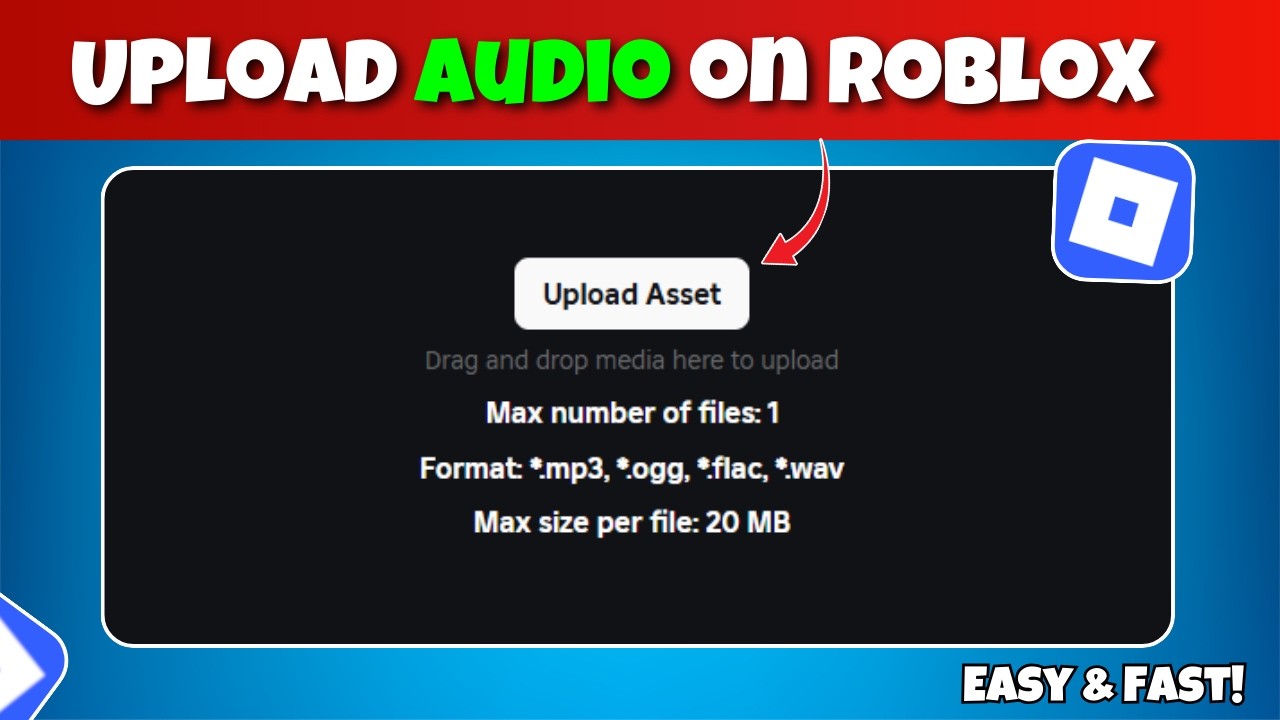


How To Upload Audio To Roblox 2026 Upload Music To Roblox Studio . How To Upload Audio To Roblox 2026 FULL GUIDE YouTube . How To Upload Audio To Roblox Easy Guide YouTube . How To Get A Soundboard On Roblox 2026 Best Soundboard For Roblox . How To Upload Audio To Roblox 2026 Updated Guide YouTube

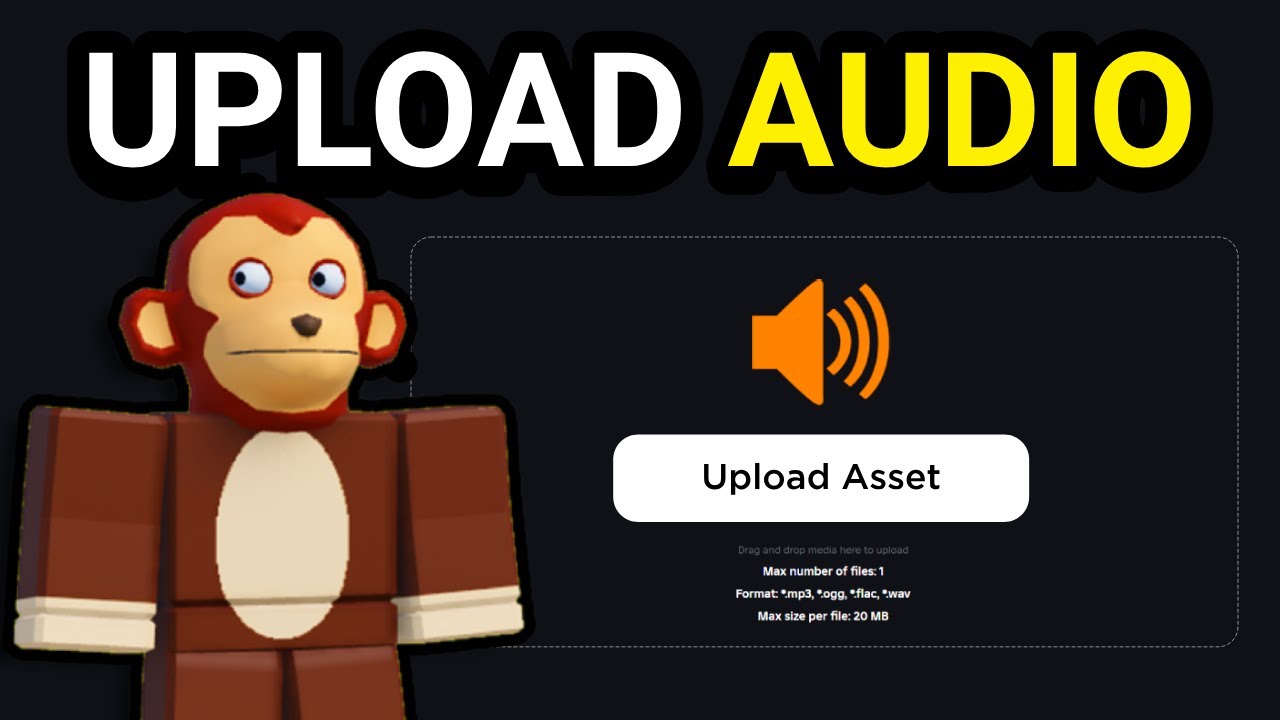

How To Upload Audio To Roblox Full Guide YouTube . How To Upload Audio To Roblox Full Guide YouTube . How To Add Audio In Roblox Studio Step By Step YouTube . How To Upload Audio To Roblox UPDATED 2026 YouTube . How To Make Audio Public On Roblox 2026 Is It Possible YouTube


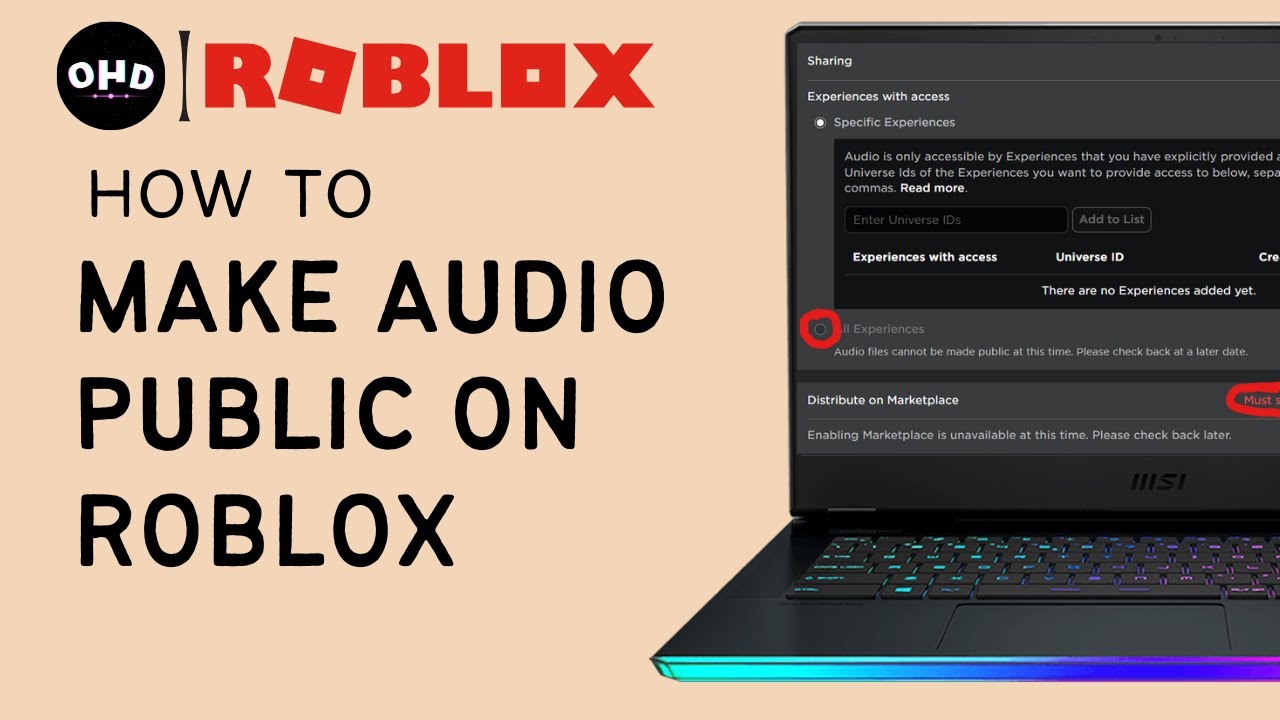
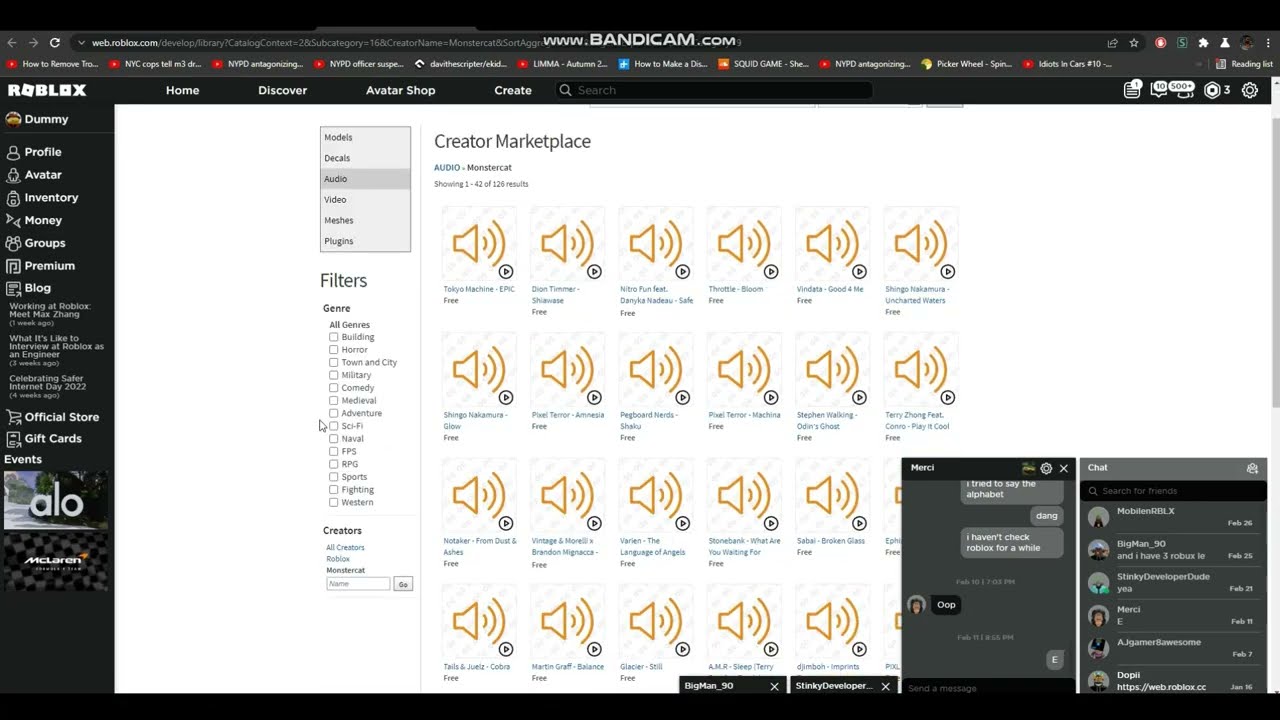
How To Upload Audio To Roblox FAST Upload Audios Full Guide YouTube . How To Upload Audio To Roblox Studio Full Guide YouTube . How To Add Audio Music To Your Roblox Game YouTube . How To Make Audio Public On Roblox Roblox How To Upload YOUR OWN . YOU CAN NOW CREATE ROBLOX AUDIO FOR FREE HOW TO 2022 METHOD YouTube


How To Upload Audio Files To Roblox Tutorial YouTube . How To Upload Audio To Roblox 2026 YouTube . How To Upload Audio To Roblox 2026 Add Your Own Sounds Music . How To Add Audio In Roblox Tutorial YouTube . How To Make Roblox Audios For Your Game Creations 3 Upload Audio Asset


How To Upload Audio To Roblox Step By Step Guide YouTube . How To Upload Audio To Roblox Studio Easy YouTube . How To Make Audio Public Roblox Quick Easy 2026 YouTube . How To Upload Audio To Roblox 2026 YouTube . How To Add AUDIO In Roblox Studio TUTORIAL YouTube



HOW TO UPLOAD AUDIO TO ROBLOX 2026 FULL GUIDE YouTube . Roblox How To Upload YOUR OWN AUDIO For Free YouTube . How To Make Roblox Audio 15 Steps With Pictures WikiHow V4 460px Make Roblox Audio Step 12 . How To Find Sound ID On Roblox 2026 Step By Step Copy Song ID . How To Make Audio Public On Roblox 2026 YouTube


How To Create SOUND EFFECTS In Roblox Studio YouTube . Level Up Your Roblox Soundboards Explained . How To Upload Audio To Roblox On Mobile Full Guide YouTube . How To Upload Audio To Roblox Step By Step Guide YouTube . How To Upload Audio To Roblox Step By Step Guide YouTube