Navigating the vast library of Steam games can be daunting for any gamer, especially when you are looking for that perfect title to fit your precious gaming hours. This guide on how to compare Steam games is designed to cut through the noise, offering clear, actionable strategies to help you make informed decisions. We understand that as a busy adult gamer, your time is valuable, and every game purchase counts. Learn how to scrutinize game features, read reviews, check system requirements, and understand pricing history to ensure you get the most bang for your buck and the most fun for your time. Discover essential tools and methods to quickly pit potential purchases against each other, whether you are seeking a new social experience, a challenging skill-builder, or just a relaxing escape. Stay ahead of the curve and optimize your gaming library with smart comparisons that align with your lifestyle. This informational resource ensures you're always picking winners.
Related games- Guide to Trains vs Cars Roblox: Which Reigns Supreme
- Guide to Tix in Roblox: The Vanished Virtual Currency
- Guide: Open Roblox Chat on Any Device
- Guide How Much Robux is 40 Dollars Explained 2024
How do I quickly compare graphics and performance of Steam games?
To quickly compare graphics and performance, first check the game's Steam page for screenshots, trailers, and recommended system requirements. Then, look for recent gameplay videos on YouTube from trusted channels, specifically seeking benchmarks or performance reviews on hardware similar to yours. Pay attention to user reviews mentioning optimization and frame rates. Sites like PCGamingWiki can also offer detailed technical breakdowns and tweak guides.
What are the best third-party sites to compare Steam game prices and deals?
For comparing Steam game prices and tracking deals, key third-party sites include IsThereAnyDeal.com, which aggregates sales from various authorized retailers, and SteamDB.info, offering comprehensive price history charts directly from Steam. These platforms help you identify the best buying opportunities and avoid overpaying, especially useful for budget-conscious gamers.
How can I compare Steam games for co-op or multiplayer compatibility with friends?
To compare co-op or multiplayer compatibility, check the Steam store page for the 'Multiplayer' or 'Co-op' tags under 'Categories' and 'Features.' Verify if it's local co-op, online multiplayer, or both. Read user reviews for feedback on server stability and matchmaking. For cross-play with other platforms, specifically look for 'Cross-Platform Multiplayer' in the game's description or official website.
What should I prioritize when comparing Steam games with limited gaming time?
With limited gaming time, prioritize games with clear objectives, engaging progression systems, and manageable session lengths. Look for titles with strong single-player campaigns that offer natural stopping points, or pick up-and-play multiplayer games. Check 'Approx. Length' on sites like HowLongToBeat.com and focus on genres you know you enjoy to maximize your enjoyment quickly.
How do community ratings and user reviews help compare Steam games effectively?
Community ratings and user reviews on Steam are invaluable for real-world insights. Look beyond the overall percentage: filter reviews by 'recent' to gauge current game status, and sort by 'helpful' to find detailed opinions. Pay attention to common themes regarding bugs, content, developer support, and community behavior. These offer a genuine snapshot of player experience beyond marketing hype.
Can I compare a Steam game's replayability before buying it?
Yes, you can assess a Steam game's replayability by checking for features like multiple endings, New Game+ modes, robust modding support, procedural generation, or strong competitive/co-op multiplayer components. Read reviews specifically mentioning long-term engagement and community activities. Games with user-generated content or robust live service updates often offer higher replayability.
What's the role of game genre and tags when comparing Steam games for personal preference?
Game genres and tags are crucial filters for personal preference. They allow you to quickly identify games fitting your preferred playstyle, like 'RPG,' 'Strategy,' 'Puzzle,' 'Survival,' or specific sub-genres. Use Steam's robust tagging system to narrow down choices. Comparing games within similar genres or tags helps you find titles that align with your past enjoyable experiences, saving you time and money.
Hey fellow gamers! Ever stare at your Steam library, or the endless new releases, and feel that familiar pang of decision fatigue? You are not alone. With a massive catalog of titles constantly expanding, figuring out how to compare Steam games effectively has become a crucial skill for any modern gamer. We know you are busy balancing work, family, and life; for many of us, gaming is that cherished escape, a way to unwind, connect with friends, or even build new skills. The last thing you need is to drop your hard-earned cash on a game that ends up being a dud, unoptimized, or simply not what you expected. In fact, 87% of US gamers play regularly, often dedicating 10+ hours a week, and they value that time. You want value for your money and maximum fun for your limited hours. This guide is your no-nonsense resource to cut through the hype and make smart, informed choices. We will dive deep into practical strategies, essential tools, and insider tips on how to compare Steam games like a seasoned pro, ensuring every click on that 'Add to Cart' button is a step towards pure gaming enjoyment, without the stress.
How to Efficiently Compare Steam Games When Time is Short?
For busy gamers, efficiency is key. Start by leveraging Steam's powerful filtering and tagging system directly on the store page. Focus on genres you already love, check 'User Reviews' for 'Mostly Positive' or 'Very Positive,' and filter by 'Player Reviews' to see what the community is currently saying. Use the 'Wishlist' feature as a comparison shortlist. For a quick overview, prioritize watching a recent gameplay trailer and scanning the top 3-5 most helpful positive and negative reviews. This streamlined approach helps you identify potential winners without getting bogged down.
To elaborate, your first step in how to compare Steam games quickly should always be to utilize Steam's built-in tools. When browsing, click on the 'Tags' to find games with specific elements like 'Singleplayer,' 'Multiplayer,' 'Co-op,' 'Story Rich,' or even niche tags like 'Deckbuilding' or 'Roguelike.' This instantly narrows down the field to titles that align with your core preferences. Next, look at the overall review score. While not perfect, a 'Very Positive' rating from thousands of players is a strong indicator of quality. Check the game's release date; newer games might be less optimized but offer fresh experiences, while older, highly-rated games are often polished and feature-rich. Don't forget to glance at the 'About This Game' section for a concise summary of its core gameplay loop and unique selling points. For many busy adults, even a five-minute scan can reveal enough to decide if a game warrants further investigation or can be discarded. This rapid assessment is crucial for gamers juggling jobs and families.
What Key Features Should I Look For When Comparing Steam Games?
When comparing Steam games, focus on genre, multiplayer options, single-player depth, platform compatibility, and art style. Genre dictates core gameplay; ensure it matches your preference (e.g., RPG for story, FPS for action). Determine if you seek social play (co-op, competitive multiplayer) or a solo journey. Check for cross-play if you game with friends on other platforms. Consider the visual aesthetic and overall tone to ensure it aligns with your taste. These features are fundamental in shaping your gaming experience and value.
Beyond the basics, diving deeper into specific game features helps refine your comparison. For instance, if you prioritize relaxation, look for 'cozy game' tags or mechanics that emphasize exploration over combat. If skill-building is your goal, search for games with deep progression systems, competitive ladders, or complex mechanics. For social gamers, investigate the nature of the multiplayer: Is it drop-in/drop-out? Is it a persistent world? What is the average player count? Even details like character customization, modding support, or accessibility options can significantly impact your long-term enjoyment. Many gamers, averaging 10+ hours a week, want games that resonate with their specific needs, whether it is an escape after a long day or a new challenge to master. Understanding these nuanced features is paramount when asking how to compare Steam games effectively for your lifestyle.
Where Can I Find Reliable Information to Compare Steam Games?
Reliable information for comparing Steam games can be found directly on the Steam store page itself, through user reviews and official descriptions. Supplement this with trusted third-party sites like SteamDB for price history and player statistics, and independent gaming news outlets for objective reviews. YouTube is excellent for gameplay videos and performance benchmarks, while community forums like Reddit provide raw player sentiment and troubleshooting tips. Combining these sources offers a well-rounded perspective.
Leveraging multiple sources is crucial to avoid hype and get a balanced view. The Steam store page is your first stop, offering developer information, genre tags, screenshots, and trailers. Crucially, pay attention to the user reviews and 'People Also Play' sections. For financial comparisons, SteamDB.info is indispensable; it tracks price history, sales, and even concurrent player counts, helping you gauge a game's long-term health and value. Sites like Metacritic or OpenCritic aggregate professional reviews, giving you a critical perspective. For visual learners, Twitch and YouTube offer live streams and recorded gameplay, allowing you to see the game in action before committing. For issues like setup or performance, a quick search on PCGamingWiki or Reddit's specific game subreddits can reveal common problems and solutions. This multi-pronged approach ensures you're making a decision based on comprehensive data, which is vital for gamers who want to maximize their fun without wasting time on poorly optimized or misrepresented titles.
How Do I Compare System Requirements for Steam Games Without Hassle?
Comparing system requirements for Steam games without hassle involves knowing your PC's specifications and cross-referencing them with the game's minimum and recommended specs listed on its Steam page. Use a tool like Speccy or your operating system's built-in system information to quickly recall your CPU, GPU, and RAM. Aim for games where your hardware meets or exceeds the 'Recommended' specs for the best experience. If you only meet 'Minimum,' expect lower settings and potential performance issues.
The pain point of performance problems is real for many gamers. To avoid setup issues and ensure a smooth experience, a simple comparison is crucial. First, identify your key hardware components: your processor (CPU), graphics card (GPU), and amount of RAM. Most operating systems offer a quick way to check this (e.g., 'dxdiag' on Windows). Once you have these numbers, head to the game's Steam store page and locate the 'System Requirements' section. This section usually provides both 'Minimum' and 'Recommended' specifications. Always strive to meet or exceed the 'Recommended' specs, as this typically ensures a stable framerate and enjoyable graphical fidelity. Meeting only the 'Minimum' often means sacrificing visual quality or experiencing choppy gameplay. For those on a budget or using older hardware, sites like CanYouRunIt.com can offer a quick automated check, though manual comparison is often more accurate. Understanding how your hardware stacks up is vital for avoiding frustration and enjoying your limited gaming time to the fullest, especially when many popular titles demand considerable resources.
What's the Best Way to Compare Steam Game Prices and Find Deals?
The best way to compare Steam game prices and find deals involves utilizing price tracking websites and monitoring official Steam sales. Use tools like IsThereAnyDeal.com or SteamDB.info to view historical price data, set up alerts for desired games, and compare prices across various authorized retailers. Always wishlist games on Steam to get notifications during major sales events like the Summer or Winter Sale. Patience and historical data are your greatest allies for budget-friendly gaming.
Value for money is a significant concern for gamers balancing life and hobbies. When learning how to compare Steam games for cost-effectiveness, remember that full price is rarely the only price. Steam itself hosts several major sales throughout the year (Spring, Summer, Autumn, Winter), often with deep discounts. Beyond that, third-party sites are invaluable. IsThereAnyDeal.com is a fan favorite because it aggregates prices from numerous legitimate key sellers and tracks historical lows, showing you if the current price is truly a good deal. SteamDB.info provides similar price history graphs directly for the Steam store. By adding games to your Steam Wishlist, you will receive email notifications when they go on sale. Furthermore, consider game bundles from sites like Humble Bundle or Fanatical, which often offer multiple games for a fraction of their individual costs. Be wary of unofficial key sites, as some can sell illegitimate keys. Smart comparison of prices allows you to expand your library without breaking the bank, perfectly suiting gamers who need to upgrade hardware on a budget or manage household finances carefully.
How Can I Use User Reviews and Community Feedback to Compare Games?
User reviews and community feedback are goldmines for comparing Steam games, offering real-world player experiences beyond marketing. Read recent reviews to gauge a game's current state, filtering by 'helpful' to find detailed insights. Look for recurring themes regarding bugs, performance, content, and community support. Pay attention to both positive and negative critiques to form a balanced opinion, understanding that individual preferences vary. This insight helps you avoid setup issues and unoptimized experiences.
When you are looking for genuine feedback on how to compare Steam games, the community is your most reliable source. Steam's review system allows players to offer honest opinions, covering everything from initial impressions to long-term engagement. Don't just look at the overall percentage; delve into the actual reviews. Sorting by 'Recent' is crucial for live-service games or those with ongoing updates, as a game's quality can change drastically over time. Filtering by 'Helpful' often surfaces well-written, comprehensive reviews that tackle pros, cons, and specific experiences. Also, consider the playtime indicated by the reviewer; someone with 500 hours likely has a deeper understanding than someone with 2 hours. Beyond Steam, Reddit communities dedicated to specific games or genres (like r/patientgamers or r/gamingsuggestions) can provide candid discussions and personal recommendations. This grassroots feedback is invaluable for discovering if a game genuinely offers relaxation, fun, or the social play you are seeking, rather than just flashy trailers. It helps cut through the hype and ensures your limited gaming time is well spent.
Is It Possible to Compare Steam Games Based on Their Social and Multiplayer Aspects?
Absolutely, comparing Steam games based on social and multiplayer aspects is crucial for gamers seeking to connect with others. Look for specific tags like 'Co-op,' 'PvP,' 'MMO,' or 'Online Multiplayer' on the store page. Check for cross-platform play if your friends are on different systems. Investigate player count statistics (Steamcharts is useful here) and community forum activity to gauge how active and vibrant the player base is. Reviews often highlight social features, server stability, and the overall community experience.
Social play is a huge draw for many US gamers, with trends showing a strong preference for connecting with friends online after a long day. When you want to compare Steam games for their social appeal, go beyond simply seeing a 'Multiplayer' tag. Does the game offer local co-op for couch gaming with family? Is it online competitive (PvP) or cooperative (PvE)? How robust is the matchmaking system? Sites like Steamcharts.com provide historical and current player counts, giving you a clear picture of how many people are actually playing at any given time, which is vital for multiplayer longevity. Dive into community discussions on Steam forums or Discord servers to understand the game's culture and whether it aligns with your preferences for friendly banter or intense competition. Even smaller details like in-game communication options or clan/guild systems can significantly impact your social experience. For gamers who prioritize building friendships or unwinding with teammates, a thorough comparison of these elements ensures you pick a game that truly enhances your social life rather than leaving you in an empty lobby.
How Do I Compare a Game's Value for Money on Steam, Considering DLC and Microtransactions?
To compare a game's value for money on Steam, look beyond the initial price by factoring in potential DLC, season passes, and microtransactions. Check if the game has a 'Definitive' or 'Complete' edition that bundles content. Read reviews to see if DLC is considered essential or exploitative. Analyze if microtransactions are cosmetic-only or 'pay-to-win.' Use sites like SteamDB to see if older DLC regularly goes on sale. A high initial price with minimal extra costs can be better value than a cheap base game riddled with expensive additions.
For many gamers, particularly those on a budget or with families, getting true value for money is paramount. When considering how to compare Steam games, the base price is just the tip of the iceberg. Many games today adopt a 'games as a service' model, featuring extensive post-launch content, often in the form of paid DLCs or season passes. Always check if a 'Deluxe Edition' or 'Ultimate Edition' offers a more complete package at a reduced overall cost compared to buying everything separately. Furthermore, investigate the nature of microtransactions: Are they purely cosmetic items that enhance personalization, or do they offer gameplay advantages, veering into 'pay-to-win' territory? Reviews often call out predatory monetization practices. Tools like SteamDB can show if DLCs frequently go on sale, allowing you to plan purchases. Remember that a higher upfront cost for a complete, standalone experience can often provide better long-term value and less frustration than a cheaper game that nickel-and-dimes you for essential content. This financial savvy is a key part of staying current without succumbing to hype, allowing you to optimize your gaming budget effectively.
What Are Common Pitfalls to Avoid When Comparing Steam Games?
Common pitfalls when comparing Steam games include falling for marketing hype, ignoring negative reviews, overlooking system requirements, and buying on impulse during sales. Marketing trailers can be misleading, so always seek raw gameplay. Disregard extreme reviews and focus on common complaints. Never assume your PC can run a game without checking specs. Finally, avoid purchasing games just because they are on sale; ensure they truly fit your interests and available time, preventing buyer's remorse.
Even seasoned gamers can sometimes stumble when trying to figure out how to compare Steam games. One of the biggest traps is succumbing to developer or influencer hype. While trailers are exciting, they are often curated to show only the best aspects. Always seek out independent gameplay footage and honest reviews. Another pitfall is cherry-picking only positive reviews; a balanced approach means acknowledging criticisms. If multiple reviews mention a specific bug, poor optimization, or a predatory monetization scheme, those are red flags. Overlooking system requirements is a classic mistake that leads to performance problems and frustration, especially for those who want their gaming time to be relaxing. Lastly, the siren song of a Steam Sale can lead to impulse purchases of games you will never play. Before clicking 'buy,' ask yourself: "Do I genuinely have time for this? Does it align with my current gaming preferences?" For gamers balancing life, every purchase needs to be intentional to maximize fun and avoid a growing backlog of unplayed titles. By being aware of these common traps, you can make smarter decisions and enjoy your gaming journey more.
How Can I Stay Current with New Steam Games Without Constant Research?
Staying current with new Steam games without constant research involves curating your information sources and leveraging community insights. Subscribe to a few trusted gaming news outlets or YouTube channels that cover new releases and provide unbiased reviews. Follow specific game developers or genres on Steam to receive tailored updates. Use your Steam Wishlist to track upcoming titles. Engage with gaming communities on platforms like Discord or Reddit, where fellow gamers often share insights and recommendations, helping you discover relevant new titles efficiently.
For gamers who balance their passion with a busy lifestyle, staying current with the ever-evolving world of Steam releases can feel like a full-time job. The key to how to compare Steam games while keeping up with trends is intelligent information consumption. Instead of endlessly scrolling, identify 2-3 reliable gaming news websites (e.g., PC Gamer, Rock Paper Shotgun, IGN for PC focus) or YouTube channels that align with your interests. These curated sources will highlight major releases, interesting indies, and important industry news. Steam itself offers personalized recommendations based on your play history and wishlisted games, making discovery more organic. Joining a Discord server for a favorite game or genre can also provide real-time updates and discussions from passionate players. Many gamers also find value in listening to podcasts during commutes. By being selective about your information sources, you can avoid feeling overwhelmed and still be aware of exciting new titles, ensuring you are always ready to dive into the next great adventure that fits your precious gaming hours.
Navigating the vast universe of Steam games no longer has to be a guessing game. By consistently applying these practical strategies on how to compare Steam games, you can transform your buying decisions from hopeful guesses into informed choices. Remember to lean on Steam’s built-in features, cross-reference with reliable third-party data, prioritize genuine community feedback, and always consider your personal gaming style and available time. Whether you seek relaxation, skill-building, social connections, or sheer entertainment, smart comparison ensures you get the most value and fun from every game you play. Your time and money are valuable, and with these tips, you are now equipped to spend both wisely, ensuring your gaming experiences are always top-tier.
What is your biggest gaming challenge when picking new titles? Comment below and share your tips!
Can I compare Steam games across different genres effectively?
Yes, you can compare Steam games across genres by focusing on universal aspects like replayability, value for money, community engagement, and performance optimization. While core gameplay differs, these meta-factors apply broadly and help assess a game's overall quality and fit for your lifestyle.
Are there browser extensions to help compare Steam games?
Yes, several browser extensions can enhance your Steam comparison. Enhanced Steam adds price history, game stats, and quick links. Augmenter allows for custom wishlist filtering. These tools streamline information gathering, helping busy gamers make faster decisions.
How important are game developer reputations when comparing?
Developer reputation is very important. Established developers with a history of quality games, good post-launch support, and transparent communication often indicate a safer bet. New or lesser-known studios might require more scrutiny through early access feedback and independent reviews to assess their reliability.
What role do game tags play in comparing Steam games?
Game tags are crucial filters, allowing you to quickly identify games based on specific mechanics, themes, or experiences (e.g., 'Roguelike,' 'Open World,' 'Cozy'). They are excellent for narrowing down choices to your preferred playstyles and discovering similar titles, optimizing your search.
How do I compare games for performance optimization on my specific PC?
To compare games for performance optimization on your PC, check recommended system requirements against your specs. Look for gameplay benchmarks on YouTube with hardware similar to yours. Pay close attention to recent user reviews mentioning frame rates, stuttering, or crashes specific to various hardware configurations.
Is it worth comparing older Steam games with new releases?
Yes, absolutely. Older Steam games often offer complete, polished experiences at lower prices, with a wealth of community-created content or mods. New releases bring innovation but can come with launch bugs. Comparing them allows you to weigh the benefits of a proven classic against the excitement of a fresh, albeit potentially riskier, experience.
Effortless game comparison strategies for Steam users, understanding critical features like genre and multiplayer options, utilizing Steam store tools and third-party sites for informed choices, analyzing user reviews and gameplay footage effectively, smart budgeting and sale tracking for value, matching games to personal playstyle and hardware, quick tips for busy gamers to find the perfect match.
35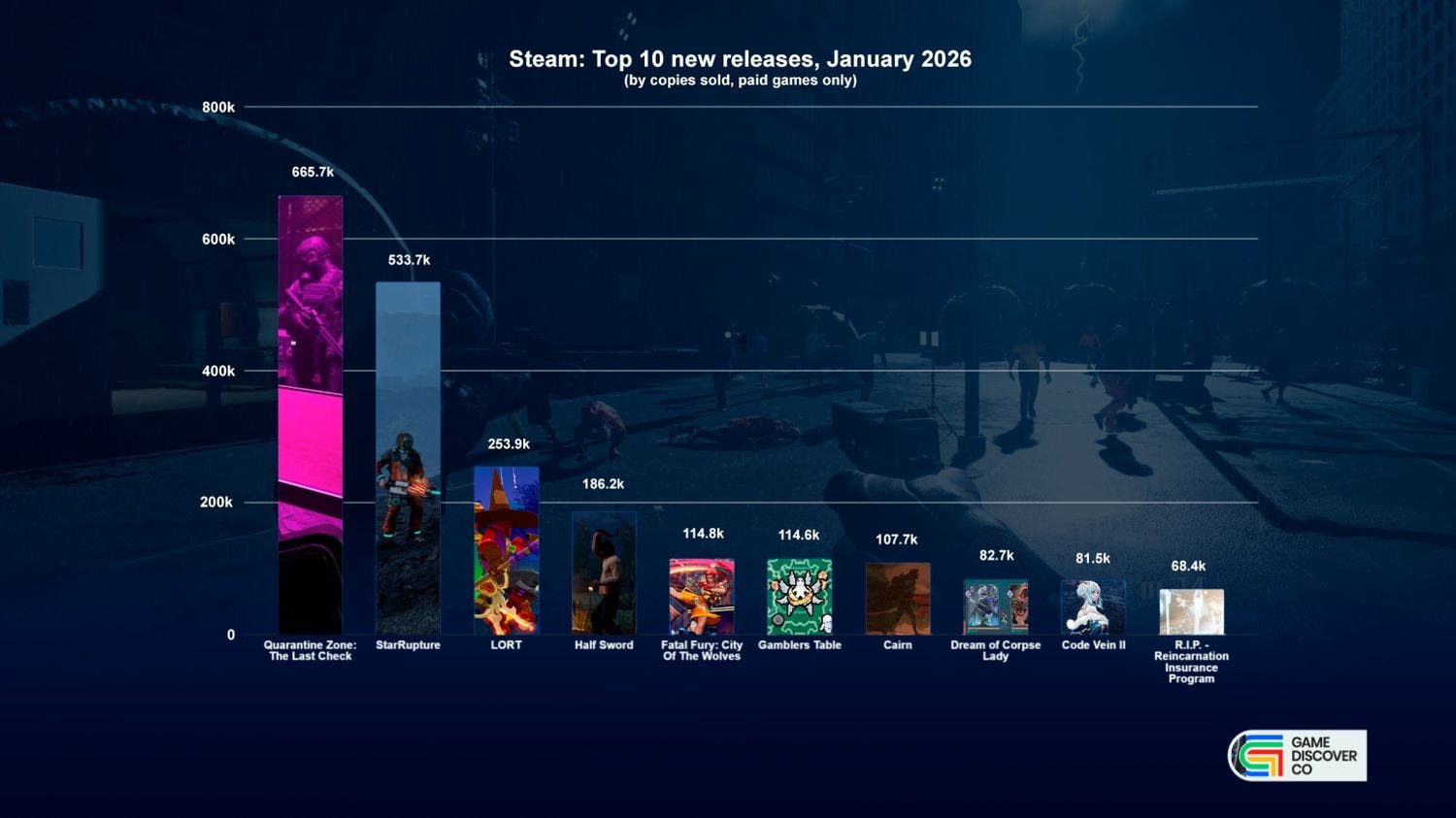
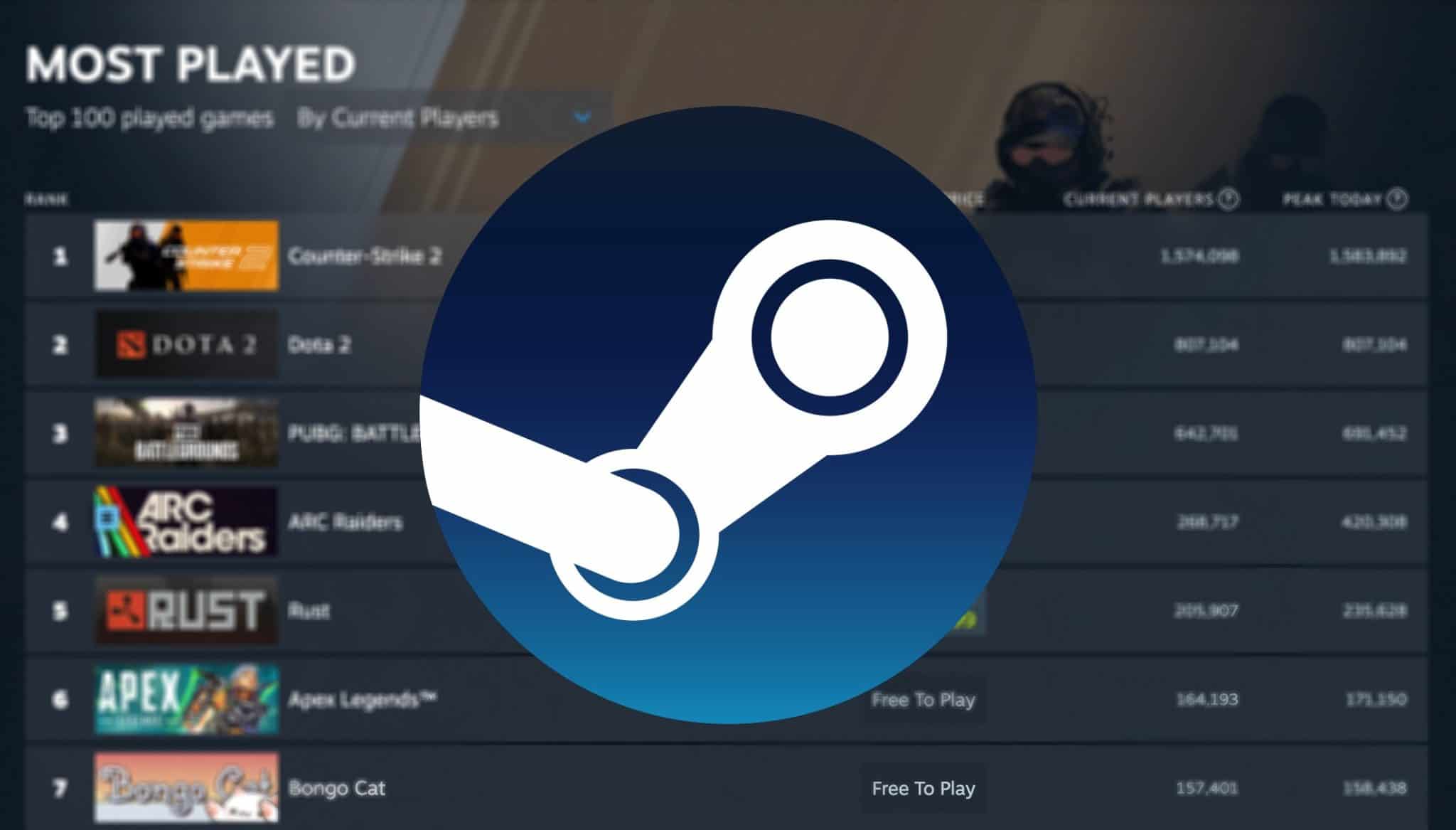
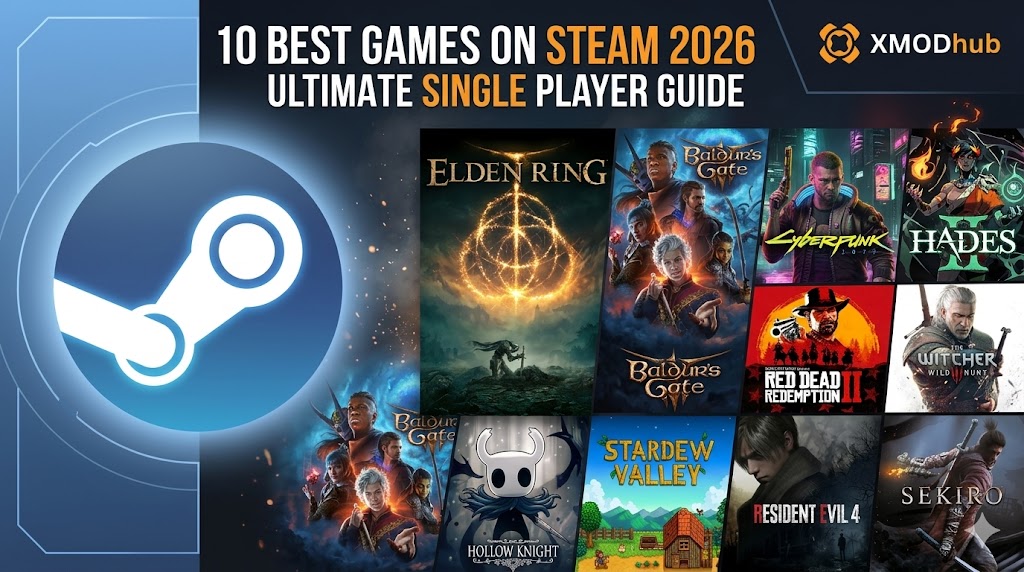
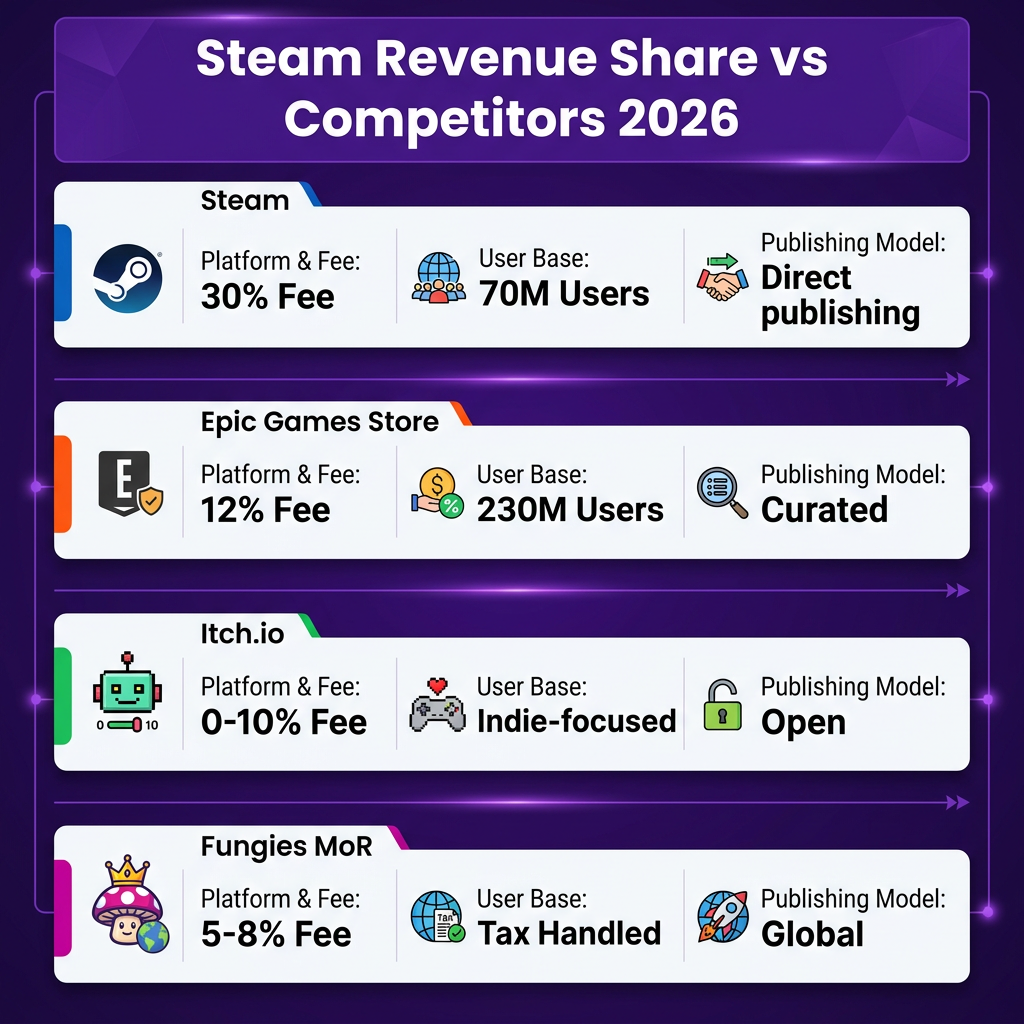

January 2026 S Top Selling New Steam Games Revealed 08418405 04a2 47eb B48b 1500x843 . The Most Played Games On Steam For 2026 So Far Cheat Code Central Most Played Games Steam 2026 2048x1167 . 10 Best Games On Steam 2026 Ultimate Single Player Guide 10 Best Steam Games 2026 Xmodhub . How To Sell A Game On Steam A Complete Guide For Indie Developers 2026 Infographic How To Sell A Game On Steam Fees . Steam Top 10 Best Selling Most Played Games Week Of Mar 16 2026 To 2026 03 Steam Cover



The Top 2026 Games By Steam Wishlists By Rhys Elliott Fc2aa87f 2277 4294 9e7b 1920x1080 . Best 13 The Best Free Steam Games For 2026 Artofit . Steam Next Fest February 2026 The 22 Best Game Demos The Best Steam Next Fest Demos 2026 The Punished Backlog Order 2 300x162 . Best Games On Steam A Selection Of Top Titles On The Platform Best Steam Games 768x430 . Best Laptops For Steam Games In 2026 Latest Models WhalesDev Steam 2025 2048x1012


Top 10 Most Anticipated Games Of 2026 What To Watch Out For TVN GAMES IN 2026 . Steam Sales 2026 Calendar Full Dates Best CD Key Deals AllKeyShop Com All Steam Events 2026. Top 30 Best New And Free Games Upcoming Steam 2025 2026 YouTube . The Most Played Games On Steam For 2026 So Far Cheat Code Central Steam Top Sellers 1024x501 . Best Steam Games For Teens 2026 Edition LRDev Games 1.Best RPG Games On Steam Complete Guide.webp
Best Free Steam Games For Low End PCs 2026 15 Great Picks For Weak Rigs Image. State Of Steam 2024 Almost 19k New Games 24 Titles With 100k CCU Steam Top 12 Platinum Games 2024 . The Most Played Games On Steam For 2026 So Far Cheat Code Central Steam Top Games July . Steam Sales 2026 Calendar Full Dates Best CD Key Deals AllKeyShop Com All Steam Events 2026 1.webp. Best Steam Games For Couples To Play Together Edition 2026 LRDev Games 1.Best RPG Games On Steam.webp



20 Best Steam Games You Should Play In 2026 Beebom Steam Games Cover . The Best Free Steam Games For 2026 The Absolute Best Steam Games For 2026 Vg5m.640 . Best Steam Games For Teens 2026 Edition LRDev Games 1.Best Indie Multiplayer Games On Steam.webp. 10 Most Wishlisted Strategy Games On Steam In 2026 Top 10 Most Wishlisted Strategy Games On Steam In 2026 . 8 Best Steam Game Deals June 2026 Buying Guides Best Steam Game Deals 300x164
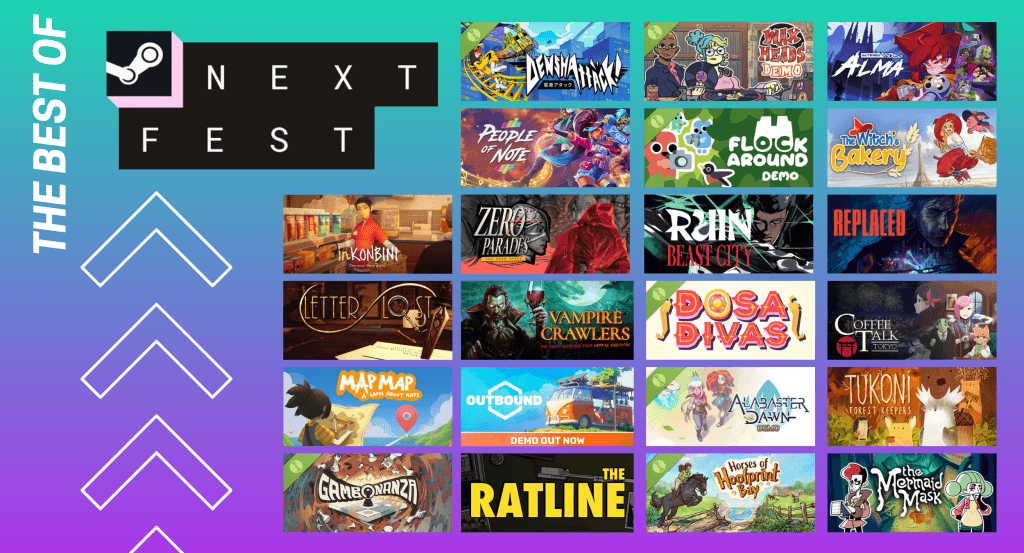


Rekomendasi Game Steam Spring Sale 2026 Wajib Beli Steam Awards 2025 Winners 1024x576 . Steam Next Fest February 2026 The 22 Best Game Demos The Best Steam Next Fest Demos 2026 The Punished Backlog 1024x553 . Best Free Steam Games For Low End PCs 2026 15 Great Picks For Weak Rigs Image. Best Steam Games For Teens 2026 Edition LRDev Games 1.Best Indie Horror Games On Steam.webp. The Best Steam Deck Games Worth Playing In 2026 GamesRadar

The Most Played Games On Steam For 2026 So Far Cheat Code Central Popular Shooters Steam . Steam Next Fest 2026 And Beyond All The Dates Details And Everything. Steam Sale 2026 Key Dates You Need To Know LevelUpTalk Steam Sale Schedule 2026 08 27 2025 7c35051e 2c22 4093 96f1. I Tried These 8 Free Steam Games In 2026 I Didn T Expect Them To Be Contra Is Not Dead Yet - 2026 . Steam Games You Absolutely Need To Play